Considering body contouring? Seeing a PA or nurse practitioner first may help you get there
Patients who started with an advanced practice provider were more likely to go on to have surgery, study finds
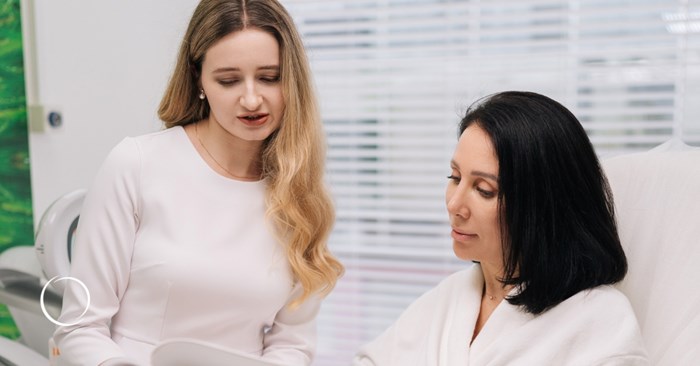
A different approach to body contouring consultations may help improve patient access, according to a new study. Patients seeking plastic surgery may benefit from an initial appointment with an advanced practice provider (APP). APPs include physician assistants and nurse practitioners.
"A lot of patients come in for surgical evaluations, and what we're noticing is many of them weren't candidates right off the bat," said Julie West, MS, PA-C, a physician assistant in the Department of Plastic and Reconstructive Surgery at The Ohio State University Wexner Medical Center in Columbus, Ohio, and a contributing author to "Force Multiplication: Improving Access to Care and Surgical Conversion Rates Through Implementation of an Advanced Practice Provider Body Contouring Clinic" in the November issue of Plastic and Reconstructive Surgery, the official medical journal of the American Society of Plastic Surgeons.
APPs can assist patients by reviewing their health and goals, providing a broad overview of the body contouring procedures, such as breast lifts (mastopexy), tummy tucks (abdominoplasty) and arm and thigh lifts, and developing a plan to prepare for surgery.
Determining readiness for surgery
The study found about half of patients were ready for surgery, while the other half needed to take additional steps before being eligible. However, not meeting the criteria for surgery at the first appointment did not rule out getting the procedure later.
APPs guided patients not immediately eligible for a procedure to develop a plan to prepare for surgery. This may have included stopping nicotine use, stabilizing their weight or controlling medical conditions such as diabetes.
"We scheduled them for a three- to six-month follow-up back at the clinic to check their progress," West said. "So, it gives them a goal."
Helping patients understand their options
Appointments with APPs allowed patients to ask questions and helped them decide what concerns to address first when considering more than one procedure.
"When they say, 'I want to talk about my face, my arms, my legs and my breasts,' we ask, 'What would you want to do first?'" West said. "'Let's talk about that today.' Then we note what the patient would like to do during the course of their care with us."
APPs gave general education about body contouring procedures, while a surgeon later discussed a specific surgical plan.
Patients were told up front they would see an APP for their initial body contouring consultation. They could choose to see a surgeon instead, although that often meant a longer wait for an appointment. Patients who qualified for surgery after meeting with an APP were then scheduled to see a surgeon.
"They leave with one of two pathways," West said. "One is: 'Here are your things to work on. Come back in three to six months.' The other is: 'Actually, you're a really good candidate. Let's get you set up with the surgeon.'"
Improving access to care and patient satisfaction
The study found incorporating APPs into initial body contouring consultations improved patient satisfaction and increased the number of patients who ultimately had surgery.
"Patients felt understood and listened to by providers, making them more likely to return and have the surgery," West said.
Patients who initially saw an APP were able to get appointments sooner.
"Having an advanced practice practitioner (APP) as part of the initial consultation process for our practice has been a wonderful game changer," Samuel J. Lin, MD, MBA, PRS Editor-in-Chief, said. "The patients are able to receive clinical information earlier in the process without having to wait a longer period of time and then are able to enact changes, if needed and appropriate, to better their health and improve outcomes for surgery."
Those who qualified for surgery also experienced shorter wait times before their procedures.
"Advanced practice providers are able to expand or extend the capability of surgeons," West said. "Patients are satisfied because they understand their next steps, whether they are ready for surgery or not."
The study suggested a clear benefit for patients: An APP can make the path to body contouring surgery clearer and more efficient by helping patients understand the requirements, identify health concerns and develop a plan to reach their aesthetic goals.
To find a qualified plastic surgeon for any cosmetic or reconstructive procedure, consult a member of the American Society of Plastic Surgeons. All ASPS members are board certified by the American Board of Plastic Surgery, have completed an accredited plastic surgery training program, practice in accredited facilities and follow strict standards of safety and ethics. Find an ASPS member in your area.

