Hard fouls and fast breaks: How plastic surgeons treat basketball facial and hand injuries
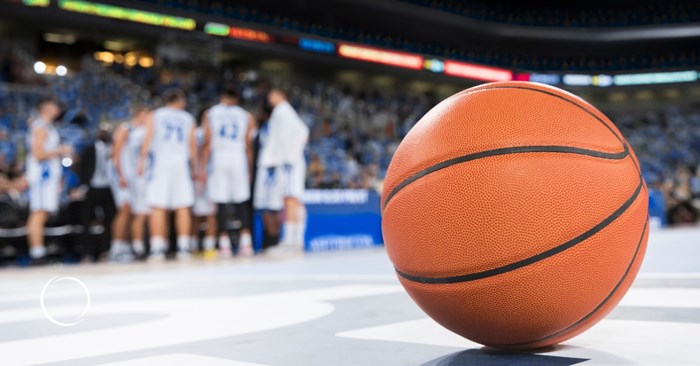
For eager basketball fans, it isn't spring break that heralds the end of winter and welcomes March. Instead, it is the thrilling action of the most-watched college basketball tournament in the world, complete with underdog stories, nail-biting endings and plenty of drama.
Basketball is a fast-paced sport where athletes are prone to devastating knee, ankle, hand and facial injuries thanks to quick changes of direction, collisions with other players, elbows to the face and hard falls to the court. While most people, and even players, expect treatment from orthopedic physicians, adding a plastic surgeon to the roster is often crucial for helping players suffering from sports-related injuries restore functionality and appearance.
Common basketball-related injuries that put players on the sidelines
Let's start by laying down some facts from ASPS Member Surgeon Edward Gronet, MD. Injuries to the ankles and knees are some of the most common sports-related injuries in basketball. Not surprising given the rapid changes in direction and sudden starts and stops involved in the sport. Women's basketball players are especially prone to ankle sprains and knee injuries. However, head, face, hand and wrist injuries are not far behind and account for a significant portion of basketball-related injuries, especially for shooting guards and centers.
Falls and flying elbows are often the cause of head and facial injuries in athletes. Concussions are always a concern, but many also suffer soft tissue injuries to the face as well as facial fractures, such as a broken nose. Dr. Gronet explained that lacerations are among the most common soft tissue injuries players sustain. Jamming a thumb or fingers, or a player putting out their hands to catch themselves as they fall to the court, are also common sources of finger and wrist injuries.
Studies suggest that in the NCAA men's basketball, 11.3 percent of injuries involve the head or face, while hand and wrist injuries account for just over 10 percent of reported injuries. With the heat of competition and titles on the line, it is also no wonder that most sports-related injuries occur during games, and not in practice.
These injuries may not be season-ending, but significant facial injuries, such as fractured noses or orbital bones or broken wrists, not only compromise functionality, but they can leave players who are eager to compete on the sidelines and with disfiguring scars.
Hard fouls and fast breaks leave players struggling to get back in the game
An orthopedic physician diagnoses and treats injuries affecting the musculoskeletal system, such as bones, ligaments, joints, tendons and muscles. Following an injury, most players turn to these specialists to help them recover and return to play. Yet athletes may want to consider keeping a skilled plastic surgeon on speed dial as well to help them achieve maximum function and address aesthetic issues resulting from serious on-court incidents.
"While orthopedic surgeons handle the 'long bones' (legs and arms), plastic surgeons are committed to functional aesthetics, ensuring an athlete doesn't just heal, but returns to the court with their vision, breathing and grip strength perfectly intact," said Josef Hadeed, MD, FACS.
For many plastic surgeons, the face is their bread and butter. It's the first thing that people notice about a person, and one area of the body that tends to get a lot of attention from plastic surgeons as patients strive to show their best face to the world. An experienced plastic surgeon understands how muscles, bones, fat and other facial structures work together to support vital functions such as vision and breathing. They also understand facial structure, how to minimize the appearance of scars, and how to manage scars to maximize aesthetic outcomes following an accident, injury or surgical procedure.
"The most common injury is a soft tissue injury," said Dr. Gronet. "And that's why it makes so much sense to have a plastic surgeon around, because again, that can potentially be fixed during the game."
Working with a plastic surgeon can lead to a comprehensive approach to stitching up a laceration or other wound, not only addressing the immediate need to staunch bleeding but also factoring in the shape, size and appearance of any potential facial scarring. For more significant injuries, plastic surgeons can also play a critical role in care and recovery.
"Our goal in treating these injuries is not just structural stability of the injury, but also functional restoration," said Dr. Hadeed. "We aren't just setting a bone or treating soft tissue injuries. We are ensuring a shooter maintains their tactile sensation, a defender keeps their full field of vision and a player's facial structure is reinforced against future impact."
An orbital fracture can compromise vision and other essential senses not only for everyday living, but also the dynamic hand-eye coordination required for successful athletics on the court. Likewise, a broken or improperly set nose can also cause breathing issues, making it challenging to get enough oxygen during high-intensity practices or games. Even minor medical issues resulting from an injury can be enough to allow an elite athlete to lose their competitive edge.
Significant hand injuries can be among the most complex to treat in basketball players because they can impact sensation, fine motor movements and grip strength. It can also make treating and recovering from these injuries difficult.
"Sports injuries are very challenging because when you make money using your hands, you want to go back to work as fast as you can," said Dr. Gronet.
Plastic surgeons are extremely adept at managing complex hand and facial injuries to restore function while maintaining overall aesthetic results. They are also used to managing patient care, with the understanding that many patients want to – and often need to – return to training, working or competing as soon and as safely as possible.
When is the right time to speak with a plastic surgeon?
Any athlete who has suffered a sports-related injury should consult with an ASPS Member Surgeon as soon as possible after their injury. Waiting to consult with a plastic surgeon can compromise mobility, functionality and appearance. Pushing the body to its limits to return to play, especially in young or collegiate athlete who may not fully understand their limits, can also cause additional injuries and structural damage.
"When an elite athlete suffers a facial fracture or a complex hand injury, the clock isn't just ticking on their recovery but also on their career," said Dr. Hadeed. "People are often surprised to find a plastic surgeon in the trauma bay, but we are uniquely qualified for the high-stakes nature of sports injuries."
Release the ball after the buzzer, and you can lose the game. With injuries, the stakes can be even higher. For some, it becomes a delicate balance, weighing the pressure and intensity of a game against the need to seek treatment and give the body time to heal properly.
"So, the challenge is the intensity of the demands of the tournament, which just means getting ahold of a plastic surgeon right away is even more important for these people," said Dr. Gronet.
Unfortunately, most sports fans and even athletes don't consider contacting a plastic surgeon for care and recovery. The reality is, many people still consider plastic surgery purely aesthetic, and a mostly female-dominated practice. The truth is that plastic surgeons manage a wide range of patients from those suffering from disfiguring skin or breast cancer surgeries to reconstructive procedures on dog bite victims or those born with cleft palate or other defects.
The number of male patients exploring and undergoing aesthetic plastic surgery procedures is growing. Plastic surgeons gaining more traction on the court may come down to more people, especially men, normalizing plastic surgeons' interventions and learning more about the comprehensive functional and aesthetic care they provide, given their specialized knowledge and skill sets.
"I think it's actually pretty interesting because a plastic surgeon is equally at home in Beverly Hills or on the sidelines at a basketball game," said Dr. Gronet.
One of the challenges facing elite athletes is the pressure to return to the game and compete. With support from a plastic surgeon and other members of a player's medical team, athletes can get the comprehensive care they need to recover physically and aesthetically and help prevent further damage, which can be career-ending, especially for young athletes.
To find a qualified plastic surgeon for any cosmetic or reconstructive procedure, consult a member of the American Society of Plastic Surgeons. All ASPS members are board certified by the American Board of Plastic Surgery, have completed an accredited plastic surgery training program, practice in accredited facilities and follow strict standards of safety and ethics. Find an ASPS member in your area.