Lifts after weight loss: Skin excision surgery after the weight comes off
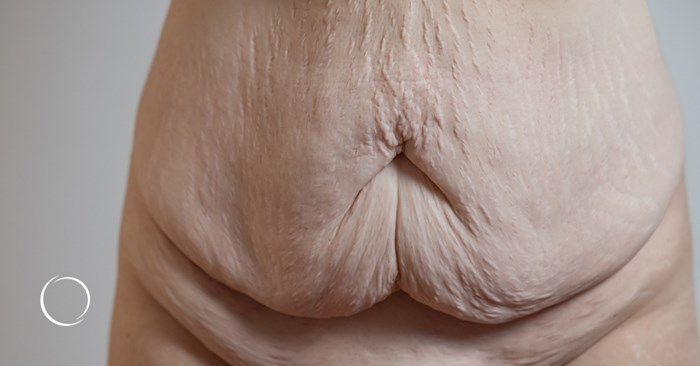
The sun is shining, and flowers are slowly blooming, meaning that spring break is almost here! As the weather warms and people shed their winter layers and excess pounds, patients may be surprised to find that their rapid weight loss and transformation, thanks to GLP-1 medications, has left them with a little something extra. Extra skin, to be precise.
The popularity of GLP-1 medications has helped people achieve rapid weight loss. However, with rapid and significant weight loss comes excess skin that can be challenging to "bounce back." As spring emerges, so too does the desire to shed layers and show off weight loss results, whether that's a spring break beach trip or a staycation close to home. Yet for some patients, excess skin and loss of elasticity can make them self-conscious about showing off their weight loss.
Losing weight shouldn't feel embarrassing. It should be empowering. Lifts after loss can help patients feel more confident and comfortable, enhancing their aesthetic goals and boosting physical and mental health.
Rapid weight loss and loose skin
GLP-1 medications mimic a natural hormone that promotes insulin secretion, thereby reducing blood sugar levels. This hormone interacts with the brain to help suppress a patient's appetite and signal fullness. These medications also slow down digestion and gastric emptying, which can result in dramatic weight loss for many patients. However, the flip side is that with rapid or significant weight loss, some areas of the body, like the body's largest organ, the skin, can't keep up.
The faster a patient loses weight, the thinner and less resilient the skin may be. The speedy fat and volume loss can cause sagging and loose skin. For many, this excess skin can make it difficult to show off their recent weight loss, leaving them embarrassed or self-conscious, especially as tank top and swimsuit season approaches.
Having excess skin isn't just an emotional issue for patients. It can also cause physical problems, such as chafing and skin infections.
"Excess skin can create problems with skin irritation or chronic infections," said Katerina Gallus, MD, FACS. "This is usually when the overhanging skin traps moisture and then is irritated with constant friction. Additionally, my patients report that finding clothing that fits properly is a concern."
Options for excess skin after weight loss
There are numerous surgical options available to patients who have experienced significant weight loss and skin sagging thanks to GLP-1 medications. The surgical procedures that are right for a particular patient depend on that patient's aesthetic goals and areas of concern. Arm lifts, thigh lifts, lower body lifts, breast lifts and tummy tucks are all surgical options patients can explore to address excess skin and address both aesthetic and functional concerns.
"For women, it is breasts and abdomen, but that is probably because those are the most common surgeries that women get overall," said Sara Dickie, MD. "For significant weight loss, patients start to look beyond the trunk to the arms, mostly followed by the thighs. The extra skin in these areas really becomes a problem with chafing and rubbing, making it much more difficult to fit into clothing. Hiding tummy fat is actually not as challenging as upper arm fat, which doesn't fit well in long or short sleeves. Yoga tights show off inner thigh skin excess, not improve it."
She noted that arm and thigh surgeries are often performed because those areas tend to show excess skin more than other areas after significant weight loss.
"For men after massive weight loss, I have noticed more interest in abdomen, chest (gynecomastia surgery) and neck surgery," said Dr. Dickie. "They are not as focused or bothered by the arm and thigh skin as women tend to be."
While men and women may prioritize different areas after weight loss, some concerns are shared between the two groups.
"After achieving the success of weight loss, most patients want to address the loose skin around their abdomen, which includes both men and women," said Dr. Gallus. "For women, breast surgery is often considered at the same time."
Preparing for a lift or surgical procedure
Before undergoing a lift or other skin excision surgery, patients need to be prepared for the journey ahead. That means prepping for surgery and recovery, and understanding what a patient needs to do to help themselves and their surgeon achieve the desired results.
First, patients need to have reached their benchmark weight loss goal. Many surgeons recommend that a patient reach a stable weight and maintain it for at least three to six months. Fluctuations in weight can compromise results, and significant weight loss after surgery may require further surgery.
Prior to surgery, patients are often asked to refrain from taking certain medications, including GLP-1s, for two to three weeks before surgery because they can lead to surgical complications. GLP-1 medications, for example, slow gastric emptying, which can put patients at an increased risk of a potentially fatal complication called aspiration. This occurs when the contents of the stomach fill the lungs.
Stopping GLP-1 medication can also be important to allow a patient's body to absorb the nutrients it needs to heal after surgery.
"Also, making sure that the patient is nutritionally optimized for surgery, both before and after," said Dr. Gallus. "That usually means taking a break from GLP-1 for at least two weeks before and two weeks after, and prioritizing protein intake."
Excellent nutritional and physical health are top priorities before and after surgery, but so is skin health. Active infections and poor skin health can compromise results, and issues should be addressed before any surgical procedure.
"There is not a lot people can do if they have low elasticity," said Dr. Dickie. "We don't have creams or treatments that can replace elastin or, really, collagen for that matter. But the elastin is important because it helps the skin snap and tighten around the underlying muscles. Even with the tightest closure, the skin often loosens again when the swelling goes down. Nothing like it was pre-surgery, but it will have some laxity, which people will sometimes complain about. Surgery should be postponed if patients have an active rash, a yeast infection or open sores. Best practice is to have non-infected, healthy skin going into surgery. It is not always possible, but those things will impact the final result and the scar."
The recovery process and scarring
One of the most pressing issues for patients on GLP-1 medication, and anyone attempting to lose weight, is that no one can choose where the weight comes off. Patients often find that multiple regions of their bodies have excess skin they want removed. Staying safe and improving the outcome of your recovery journey means understanding which procedures you can focus on and which ones may need to wait.
A common question patients may ask is whether surgeries can be performed on multiple areas of the body at once or whether they need to be performed in multiple surgeries at different times. The answer can be complicated.
"Yes and no," said Dr. Gallus. "We often pair surgeries together that make sense for one recovery. For example, breast surgery and tummy tucks are a common combined procedure. I usually have patients choose the area that bothers them most, then work out a plan. I don't do thigh lifts with upper arm lifts or upper arm lifts with tummy tucks, for example. The recovery is too hard."
During recovery, make sure you have someone to help you, and keep activities light. The recovery period depends on the type of surgery and whether you are recovering from multiple surgeries, and may range from a couple of weeks to six to eight weeks or more. Again, during this timeframe, Dr. Gallus also recommended prioritizing proper nutrition and protein intake to give your body the fuel and nutrients it needs to heal.
Scar management may also be a significant part of the recovery process, physically and mentally. Surgical removal of excess skin can leave large scars, and a patient may want to take some time to prepare for them.
"I usually tell people, 'You know you are ready for surgery when the contour matters more to you than the scar,'" said Dr. Dickie. "Most people who are truly suffering from excess skin problems do not care at all about the scar. They aren't planning to wear skimpy clothes. They want to wear regular clothes in the correct size!"
Hiding surgical scars from a breast lift or tummy tuck can be easier than those left from arm or thigh lifts.
"So, for arms and thighs, which have the most scar showing, patients who are really ready tolerate these scars well," said Dr. Dickie. Placement is important. For thighs, placing the scars along the groin crease where the thigh meets the pelvis is ideal. However, most people will need a vertically oriented scar to accommodate the excess tissue between the knee and groin. This scar is generally well hidden when standing and sitting. It is visible when the legs are outstretched. For the arms, the scars are usually placed posteriorly or along the bottom of the arm. These scars are visible when reaching overhead, but well concealed when the arms are at one's sides. Optimal scar management with silicone sheeting on these scars can help them fade and mature in ways that make them nearly invisible from a distance."
If you are planning to show off your weight loss and surgical results during spring break, the one thing you don't want to forget to pack is sunscreen! UV exposure can affect healing and may cause scars to darken. Scars are tender, fresh tissue that should be protected from the sun to maximize healing and prevent hyperpigmentation and scar thickening.
Spring into a confident new you
Whether you are going on vacation this spring or sticking around your own backyard, it's time to own your look.
"Patients have already accomplished an incredible milestone by losing weight," said Dr. Gallus. "Body contouring surgery helps them complete that journey so they can feel comfortable and confident in their own skin. I had one patient be overwhelmed in the dressing room when they were finally able to try on and purchase off-the-rack jeans, feeling confident in a way she had never thought possible."
To find a qualified plastic surgeon for any cosmetic or reconstructive procedure, consult a member of the American Society of Plastic Surgeons. All ASPS members are board certified by the American Board of Plastic Surgery, have completed an accredited plastic surgery training program, practice in accredited facilities and follow strict standards of safety and ethics. Find an ASPS member in your area.