The top 10 things plastic surgeons want you to know about breast implants
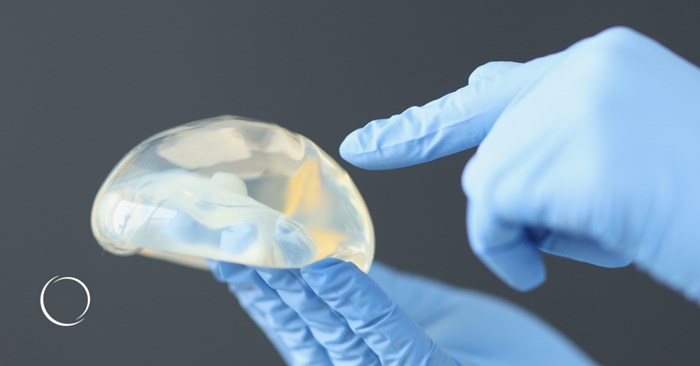
There is a lot to think about when considering a breast augmentation. Few women wake up in the morning and decide to get breast implants and then schedule surgery that same afternoon. In fact, most have thought about it for years, scrolled social media and scoured the internet before booking a consultation.
It's important to have the information you need beyond cost and recovery time. ASPS Member Surgeons Michele Shermak, MD, and Cindy Wu, MD, help you understand vital information to consider before booking surgery.
Breast implants won't last a lifetime, but they last longer than you think
Breast augmentation is not a one-and-done surgery. Implants do not last forever. You'll most likely need to change your implants at least once in your lifetime, depending on how old you are when you initially get them. New implant models can last about 20 years, but many women choose to replace them after certain life events rather than when the implants "expire."
"I would say, more often than not, I'm just changing implants because people are at a different point in their life and the implant they had in their 20s is not really working for them in their 40s anymore," said Dr. Shermak.
These include changes to the breasts that happen after significant weight loss, having children or experiencing menopause.
"Whenever you have life changes, that will change your breast shape or tissue," said Dr. Wu. "That's a good time to reevaluate."
Budget accordingly so the funds for a revision surgery will be there when you need them.
You can't just pick a cup size
Most people typically talk about breasts in terms of cup sizes, but there is no standard measurement for breasts. Just like women's clothes, bra sizes vary by brand, even when they are labeled the same cup size. Telling your plastic surgeon you want to go from an A cup to a C cup really doesn't mean much, except you'd like to be larger.
Breast implants are measured in cubic centimeters (cc). They range from about 150 cc (small) to more than 800 cc (large) – but don't get caught up in the numbers or the letters. Visuals are the best way to communicate your goals.
"If [patients] bring in pictures of the breast size, shape and look that they want, that's very helpful," said Dr. Wu. "I ask them to bring in pictures without a bathing suit and not in a push-up bra. So, basically, naked breast pictures. That's the most helpful."
Just like bras, the same amount of cc won't look the same on everyone. It will depend on your height, frame and body type. Just like bras, you can try on implants to see how they fit. You can determine the best implant size by placing inserts in your bra. This will simulate implants and give you a good visual of what you will look like under clothing. Additionally, a 3-D imaging tool can help you "try on" different implants virtually.
Your lifestyle, anatomy and aesthetic goals will determine the best implant size for your body.
Several choices: Saline vs silicone "gummy bear" implants
You've got options for types of breast implants.
Saline breast implants are more affordable, but they can be heavy and ripple more easily, which may show wrinkles under your skin, particularly if you're thin. These implants are filled with sterile saltwater, so if the implant ruptures, the saltwater will be harmlessly absorbed into your body. You can also tell more quickly if you have a rupture because a saline implant will deflate quickly.
"Gummy bear" breast implants are far more common and are composed of a type of thick silicone gel, which holds its shape better than saline and will maintain their form even if the implant's shell tears. This makes them less prone to leaking. Silicone implants also offer more ways to customize your augmentation because they come in different sizes, shapes, and levels of softness. If a silicon implant ruptures, it often requires an MRI or ultrasound to confirm.
There are several manufacturers of breast implants. Dr. Wu said that she generally uses Natrelle implants by Allergan, in part, because the manufacturer offers training about breast augmentation and revision techniques, as well as a demonstrated commitment to patient safety.
"Their focus is surgeon education, so I think that is a testament to the company's commitment to education rather than sales," Dr. Wu shared. "All the implant companies have warranties, but Natrelle has a warranty where if you have a capsular contracture or rupture within a certain amount of time, they will pay for the cost of the implants to replace them.
Muscle position makes a difference
Breast implants can be positioned in three ways – under the muscle (submuscular), over the pectoral muscle (subglandular) or a hybrid technique called subfascial placement. Each has different benefits.
Most implants are placed under the muscle, which can offer a more natural feel and reduced risk of rippling. This is often recommended for women with little natural tissue.
"I like it because it creates a very smooth transition between the augmented breast and the chest wall," said Dr. Shermak. "It constantly massages the implant to keep it soft. It supports the implant to a degree, so sagging isn't exacerbated."
Over-the-muscle implants come with a higher risk of rippling, especially in thin patients, but active patients, such as bodybuilders, may choose this option because the implant won't distort when they flex during competition. This approach, however, may eventually cause the breast to sag because the implant weighs down the breast tissue. This placement is often recommended for women who have good skin quality and a fair amount of breast tissue to provide coverage and support for the implant.
Subfascial placement is between layers and saves the layer of support tissue over the pectoral muscle. It's used for people who do not have a lot of breast tissue.
Implants aren't always enough
To achieve your desired look, you may need to combine breast augmentation with another procedure, such as a breast lift.
Breast implants focus on the size and shape of your breast but will not correct drooping breasts. A breast lift can change the position of your breasts, but it will not increase the size of your bust.
Many women combine the procedures so they can reposition sagging nipples and breasts as well as increase their volume.
Scars are standard
Plastic surgeons have options when it comes to where they make incisions: Under the breast, around the areola or in the armpit. Most breast augmentation scars are placed in the breast crease so they can be hidden.
"They're under the breast, so you'd have to really try to see," said Dr. Shermak. "It's not like it's in front of your face. You'd have to take a mirror to look under there, and it has to be really well lit to see."
Scars, when cared for properly, can be barely noticeable once fully healed, but scarless plastic surgery doesn't exist. Talk with your plastic surgeon about what technique they will use to place your implants and what that scarring will look like. Also, follow all after-care instructions to minimize scarring.
"If you are following your instructions, such as not lifting too early, using scar gel and silicone tape – as well as avoiding the sun on your incisions – then you're setting yourself up for the thinnest scar possible," said Dr. Wu.
Insurance won't cover it
Though all patients and plastic surgeons seek aesthetically pleasing outcomes, only medically necessary surgeries are covered by insurance, such as reconstructive surgery with implants after a mastectomy resulting from breast cancer. In most other cases, you'll cover the entire cost out-of-pocket. ASPS estimates surgeons' fees for 2024 to be between $4,500 to $8,000.
Be aware that this is only a fraction of the total cost. Make sure you factor in the cost of the implants, anesthesia, operating room facility fees and aftercare garments. There may also be additional costs if you need help with childcare, household chores, errands or meal delivery.
Recovery: Not just a long weekend
Patients generally need a week off work to recover, but that doesn't mean you can then return to normal activities in seven days. You'll need to continue avoiding strenuous activity and lifting heavy objects (such as children or pets weighing more than 10 pounds) for four weeks.
"Walking is fine," said Dr. Wu. "Lower body exercises are fine while you're recovering. I usually say you can go back to the gym at one week and do lower body exercises, just don't run or do anything that involves a lot of bouncing of your breasts. You want the implants to stay where we put them."
It can be more difficult to rest and recover than you think when you can't lead your normally active lifestyle. Prepare by creating a reading and watchlist so you are not tempted to work out too soon.
Changes in your breasts may occur
There is a small chance you could lose feeling in your nipples permanently. Most women lose sensation initially for a few weeks after surgery because the nerves in their nipples get stretched due to swelling.
"I usually say nine out of 10 times, you shouldn't lose feeling," said Dr. Shermak. "One time out of 10, you might lose it, but I would also say that it wouldn't necessarily be that you'll lose feeling in both nipples."
It's possible that there could also be changes that result in decreased ability to produce milk for breastfeeding.
"About 85 percent of women can still breastfeed after surgery," said Dr. Wu. "But this is the same number of women who are able to breastfeed in general in the U.S. So, 15 percent of women are not able to breastfeed just for reasons like their anatomy."
"The breast implants are typically under the muscle, so they're not near the breast gland," added Dr. Shermak. "I would say that, especially if they are under the muscle, there's really no issue."
You'll need to take certain steps for safety
You should continue to do regular breast self-exams every month after getting implants. You should also get regular mammograms as recommended by your doctor. Mammograms can't always detect if there is a rupture in the implant, so you will need an additional screening of a breast ultrasound or MRI five years after getting implants and then every two to three years after. Plus, you should also plan on annual visits with your plastic surgeon.
"I always tell my patients that breast augmentation typically shows up at number two on the list of most popular procedures, and there's a reason for that," said Dr. Shermak. "It's safe, it's effective. The FDA, implant companies, plastic surgeons and patients have all worked together to create a very safe procedure."
BONUS: Your surgeon matters more than the implant
You'll have a lot of choices to make when it comes to getting a breast augmentation. What size? What type of implant? Where to place it? But the most important choice is your plastic surgeon. He or she is the best person to help you navigate what choices will be best for your goals and your unique body type.
Plastic surgery is real surgery with real risks. The risk of complications is never zero, but you can reduce your risk by choosing a board-certified plastic surgeon who is a member of ASPS.
ASPS makes it easy to find a qualified, highly trained plastic surgeon committed to patient safety in your area through its Find a Surgeon tool. An informed patient is the best patient, so don't be shy about asking your plastic surgeon any and all questions about breast augmentation.
To find a qualified plastic surgeon for any cosmetic or reconstructive procedure, consult a member of the American Society of Plastic Surgeons. All ASPS members are board certified by the American Board of Plastic Surgery, have completed an accredited plastic surgery training program, practice in accredited facilities and follow strict standards of safety and ethics. Find an ASPS member in your area.