Surgical options for hooded eyes: Minimal to dramatic
Whether you are in the workplace or meeting old friends for the first time in a while, there is one phrase that can send a person's day and confidence into a tailspin. "Are you doing okay? You look tired." This has become code for, "You look old."
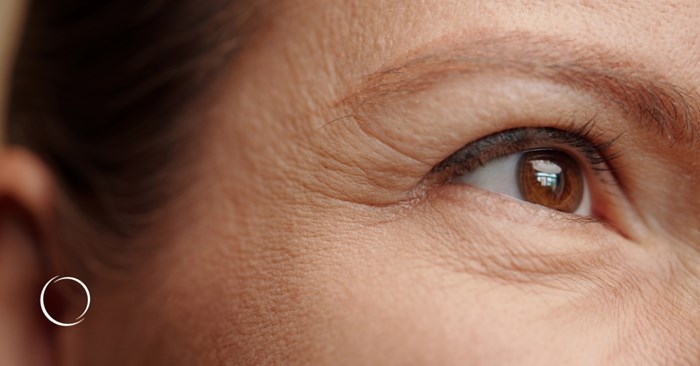
As we age, loss of volume and skin elasticity can lead to flabby and sagging skin in the eye area, also known as hooded eyes. However, genetics and eye shape can also cause hooded eyes, even in younger individuals. For some celebrities, this signature "hooded eye look" helped make them stand out. So, when they get surgery that changes the shape and appearance of their eye area, it can be a shock to fans and the industry that made them famous, sparking backhanded comments and lots of internet discussion.
You may not be in a position to be the center of a tabloid drama, but if you are looking for ways to address hooded or heavy eyelids, options ranging from minimal to dramatic can help you hone your look and achieve a more refreshed, open appearance, even if you aren't getting your eight hours of beauty rest.
What are hooded eyes?
Before a patient reviews options to alter the appearance of their eyes, it helps to understand what is meant by "hooded eyes."
"I think that it's important to understand that when we are talking about hooded eyes, we are essentially talking about the entire upper third of our faces," said Anureet Bajaj, MD. "This includes the upper and lower eyelids as well as the forehead and brow. When you want to address forehead or periorbital rejuvenation, you have to understand what is causing the hooding or tired appearance to the eyes. It can be a low brow, excess upper eyelid skin and/or lower eye bags or hollowing."
Hooded eyes tend to refer to an extra layer of skin that can droop over the crease of the eye. This skin can partially or fully cover the eyelid. Sometimes this skin can make eyes look more tired or droopy, and in severe cases, the extra skin can actually cause vision problems. While hooded eye shapes can be genetic, aging, loss of skin elasticity and rapid weight loss can contribute to the appearance of hooded eyes.
Minimally invasive options for hooded eyes
A challenge patients with hooded eyes face is deciding how dramatically they want to change the shape and appearance of their eyes. For individuals seeking a subtle change in appearance, nonsurgical options can help reduce the appearance of hooded eyes.
"For some patients, the hooding can be caused by a low eyebrow, and in these cases, neurotoxin to the brows can help lift them, improving the hooded appearance," said Josef Hadeed, MD, FACS.
Neuromodulators help relax the muscles that pull the eyebrows down. The forehead muscles can then help lift the brow, subtly opening the eye area and creating a more lifted look.
Another minimally invasive option for tackling hooded eyes is a dermal filler. These products can help plump the area, counteracting age-related volume loss that can contribute to sagging and drooping.
Surgical options that offer more dramatic results
When excess skin and sagging impair a patient's vision, or if the patient is seeking more dramatic results, surgical options tend to offer better outcomes that more closely align with the patient's aesthetic goals.
"If the concern is hollowing of the upper and lower eye and temples, fat grafting can give a refreshed and natural appearing result," said Dr. Bajaj.
Fat grafting is a surgical procedure in which a patient's own fat is used to help fill drooping areas. The fat can be harvested via liposuction from another area of the patient's body and used to add volume to areas that have sagged due to age or a loss of skin laxity.
Depending on a patient's goals, Dr. Bajaj also recommended other procedures.
"If the concern is hooding of the eyes due to descent of the brow, then an elevation of the brow (brow lift) of some sort may be of benefit, and there are multiple different types of brow lifts, so gone are the days when everyone had that surprised look," said Dr. Bajaj.
Brow lift techniques reposition the brow and forehead tissues and can help address larger anatomical changes that occur with aging, not just sagging or loose skin, but also loss of volume and elasticity. In addition to improving the appearance of the eye area and giving eyes a more open, youthful look, a brow lift can also help reduce visual field obstruction.
Another surgical option that can give patients a more defined and distinct eye shape and help reduce excess skin that causes hooded eyes is blepharoplasty.
"For patients who desire correction of hooded eyes, a conservative upper blepharoplasty can open up the eyes without drastically altering the appearance of the eyes," said Dr. Hadeed. "It can get rid of the 'tired' look while still maintaining the person's natural appearance. For a more intense effect, the muscle of the upper eyelid can be tightened to lift the eyelid margin, making the eye appear larger."
Blepharoplasty is an eyelid surgery that removes excess skin, muscle or fat to counteract sagging and drooping. Depending on the anatomical structure and desired patient outcome, an individual can opt for an upper blepharoplasty, a lower blepharoplasty or both.
"If the hooding of the eyes is caused by the excess skin, then an upper blepharoplasty can have an excellent result," said Dr. Bajaj. "Other areas of concern may be the actual crepey appearance of the skin, which could be addressed by skin resurfacing."
Surgery can deliver measurable results by removing excess skin, while laser resurfacing can improve skin appearance, yielding a tighter, more glowing overall result.
It's not just your eyes: It's your face
One challenge for patients is evaluating their appearance in a vacuum. It is easy to see the effects of time – or even genetics – on the face when drooping and sagging change the appearance of the eyes. An individual can look tired, worn out or hollow. The appearance of their eyes may not reflect how they feel on the inside or impact how they want to project themselves to the world. However, it is valuable to stop and evaluate your entire face before choosing a minimally invasive or surgical procedure to address hooded eyes.
"I think it is important to view the entire brow, forehead and eye area as a unit and analyze what is causing the hooding and make treatment recommendations from there for a refreshed and natural result," said Dr. Bajaj.
Talk to an ASPS Member Surgeon about your concerns and overall aesthetic goals. It's best to work with a skilled provider to develop a treatment plan that not only addresses your concerns but also helps you understand how your preferred surgical options can affect your face's overall appearance.
To find a qualified plastic surgeon for any cosmetic or reconstructive procedure, consult a member of the American Society of Plastic Surgeons. All ASPS members are board certified by the American Board of Plastic Surgery, have completed an accredited plastic surgery training program, practice in accredited facilities and follow strict standards of safety and ethics. Find an ASPS member in your area.