Sweat, compression garments and incision care: Recovering from plastic surgery in peak summer heat
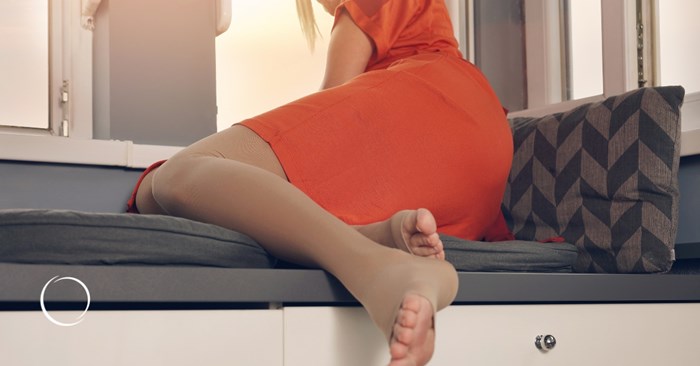
Summer is the time of year to shed layers, not add them. As heat waves continue to march across the globe, lighter layers and fewer clothes are key to helping people stay cool and comfortable. So, for plastic surgery patients, the thought of wearing a compression garment during recovery may seem unbearable. These garments can feel hot, thick and oppressive, trapping sweat and moisture. For summertime plastic surgery patients, the temptation to strip down or skip their compression garment may be as high as the soaring temperatures.
However, compression garments serve an important function during recovery. Ditching these garments to stay cool can slow healing and recovery and may jeopardize a patient's overall aesthetic result. ASPS Member Surgeons Kelly Killeen, MD, and Anureet Bajaj, MD, help explain why these garments are vital to a healthy recovery, how to spot signs of infection and offer tips for staying comfortable when summer temperatures rise.
Compression garments as part of a comprehensive postsurgical recovery program
Following a plastic surgery procedure, your plastic surgeon may provide you with a compression garment. Your first thought may be that it looks way too tiny to fit properly, but that's the point. Compression garments are snug-fitting, specialized pieces of clothing primarily made of elastic that apply gentle, consistent pressure to a body part.
Diabetes patients often rely on specialty compression socks or stockings to help improve blood flow in the legs and to reduce swelling. Postsurgical patients gain the same effects. From socks to body stockings and beyond, compression garments are a crucial part of recovery because they help reduce swelling, offer support to healing tissues, reduce fluid accumulation and encourage blood flow and circulation. The gentle compression of these garments can improve postsurgical comfort by minimizing movement of the healing surgical incision and surrounding tissues. Compression garments are commonly used following liposuction, tummy tucks, body lifts, breast surgeries and some facial procedures.
Stripping off a compression garment or inconsistent use of these garments can lead to complications like excess swelling, contour irregularities and skin laxity. These garments also help stabilize incisions and reduce tension on sutures. Not wearing these garments may increase the risk of worsening scarring, such as thick, raised or puckered scars.
Staying cool and comfortable in peak summer heat
In the middle of a summer heat wave, the last thing a patient wants to do is add more layers, trapping more heat, sweat and moisture against their skin.
"Yes, garments can be such a nuisance when the weather is hot," said Dr. Killeen. "They are so important, though, for preventing fluid accumulation, contour deformity and skin hanging after various body contouring procedures.”
Her number one tip for staying comfortable in the summer heat while wearing a compression garment is to keep it clean.
"Infections and skin irritation are common, stemming from improper garment wear, and it's important to make sure you are wearing and cleaning them properly," said Dr. Killeen. "When wearing a postop garment, it's really important to keep it clean. You wouldn't wear the same article of clothing for weeks without washing it, and you should not do this with garments either. Compression garments often become soiled with body fluids and sweat, particularly in the first few weeks. I always recommend washing them at least every other day."
As temperatures rise, plastic surgeons recommend taking additional precautions to keep compression garments clean and dry to reduce the risk of skin irritation and infection.
"In the summer heat, it is crucial to wash your garments daily," said Dr. Bajaj. "It may be beneficial to have more than one so that you can rotate them. If moisture gets trapped, it can cause infections or irritations."
Now is the time to get your support team involved, whether that is a spouse, friend or family member, because you don't want to throw these delicate garments in the wash like you would a pair of jeans. Handwashing and air drying these garments are typically the best way to keep them clean and avoid compromising their compression properties. Use a mild soap and cold or lukewarm water to gently wash these garments. You can even find specialized detergents for compression garments online.
If you have to machine wash a compression garment, use the delicate cycle with cold water and put it in a mesh bag. A lingerie bag is an excellent resource for machine washing compression garments. Don't add other materials with hooks or Velcro that could catch or snag on your garment.
Finally, never dry these garments in the dryer. Lay flat and let them air dry. The high heat and tumbling of a dryer can damage the elastic fibers, stretching or weakening them and compromising their compression strength.
"I'm not picky about methods, but it's important that they be allowed to completely dry prior to putting them back on," said Dr. Killeen. "It's always best to hang dry these garments, as the dryer can damage their compression. It's worth purchasing at least one extra so you always have one clean one available."
Watching for signs of infection or irritation
Compression garments are an important tool for postsurgical recovery. However, failing to care for these garments, especially when it is hot outside, can be detrimental to recovery and a patient's aesthetic outcome.
"Things to watch for are rashes, odors, redness," said Dr. Bajaj, adding that these can be early warning signs of irritation or infection due to trapped moisture or sweat.
Even with careful garment hygiene, surgeons emphasize that daily skin checks are essential to recovery – particularly because temporary numbness can make early problems easy to miss.
"Following body contouring, your skin sensation is rarely normal for weeks to months," said Dr. Killeen. "For this reason, you may not notice the beginnings of an infection. The most important thing is to visually inspect the skin everywhere the garment touches daily to look for redness, rashes or wounds."
When you remove your garment, take the time to clean and inspect not only the surgical site but also the surrounding skin and tissue covered by the compression garment.
"Improperly fitting garments can lead to pressure ulcers as well as infections, so this step is vital," said Dr. Killeen. "If you can't see well around the back, get a friend or family member to either take photos or look for you. It's also important to change your garment if it gets wet with sweat or body fluids. You wouldn't sit around in a sweaty workout set all day. You should not sit in a sweaty or soiled garment either."
If you notice redness, soreness, discoloration, pus or odors, or if the skin feels hot to the touch, contact your plastic surgeon.
As heat waves continue to plague the globe, it is tempting to skip wearing a compression garment to remain a few degrees cooler. Don't. Try wearing light layers or fabrics over your compression garments, such as linen pants or flowy dresses. Stay indoors during the hottest parts of the day, keep your environment comfortable with fans or air conditioning when possible and stay hydrated. Drinking water and other fluids can help the body regulate its temperature more effectively, and adequate fluid intake is also beneficial for healing.
You don't have to swelter in the summer heat or in your compression garment!
To find a qualified plastic surgeon for any cosmetic or reconstructive procedure, consult a member of the American Society of Plastic Surgeons. All ASPS members are board certified by the American Board of Plastic Surgery, have completed an accredited plastic surgery training program, practice in accredited facilities and follow strict standards of safety and ethics. Find an ASPS member in your area.