Combining surgical and minimally invasive treatments enhances facial rejuvenation
Study finds the approach may address four key signs of aging more effectively
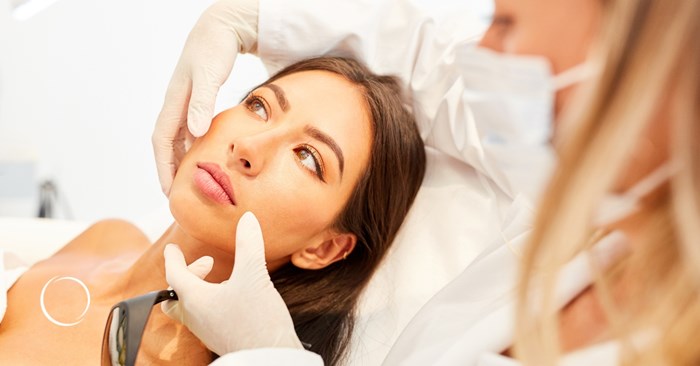
Combining surgery and minimally invasive treatments in the same procedure could improve facial rejuvenation results, according to a new study in the July edition of Plastic and Reconstructive Surgery (PRS).
Authors of the PRS study explored the safety and effectiveness of combining face and neck lift surgery with plasma resurfacing and regenerative treatments.
"There is something synergistic when we use them at the same time, when we're healing both underneath the skin with the facelift and on top of the skin from resurfacing," said Melinda Lacerna Kimbrell, MD, of LA Plastic Surgery in Bradenton, Fla., and the lead author of the PRS study. "In my experience, the results are better than a facelift alone or resurfacing alone. When we combine it, it's extremely powerful."
A complete approach to facial aging
Dr. Lacerna used the technique with nearly 100 patients. She combined plasma resurfacing, fat grafting and regenerative medicine, such as nano fat cream and exosomes, with facelifts and neck lifts to address several signs of aging at once.
Plasma resurfacing is a minimally invasive aesthetic treatment that uses energy to remove the damaged outer layer of facial skin. The treatment creates controlled, small injuries, which stimulate the body's healing process. Plasma devices create a tightening effect on the skin, similar to shrink wrap.
"I've tried all the skin resurfacing modalities, and my favorite is plasma resurfacing," said Dr. Lacerna. "I feel that it gives the best results because you literally see the deep, deep wrinkles melt. It does an amazing job with sun damage and evening out the skin tone."
The combined technique addresses four common signs of facial aging at one time: sagging skin, sun damage, wrinkles and facial hollowing.
"Facelifts alone do not address the skin aging," said Dr. Lacerna. "Facelifts alone do not address volume loss. That is when fat grafting comes in because it addresses volume loss and it introduces regeneration in the tissue. Of course, any type of deep skin resurfacing, such as plasma resurfacing, addresses skin aging. That's not typically addressed by a facelift alone."
Safety across skin tones
Plasma resurfacing can be safe for both light and dark skin tones when performed correctly. Patients with darker skin tones have a higher risk of scarring, hyperpigmentation and keloids and need skin pretreatment protocols to avoid these complications. Dr. Lacerna used either low-intensity helium or nitrogen plasma devices in the PRS study based on each patient's unique skin tone.
Combining treatments safely
Some plastic surgeons have been hesitant to combine facelifts and resurfacing because of concerns about increased complications. Yet, Dr. Lacerna's PRS study suggested that the combination can be safe when performed alongside supportive skin treatments.
"It's a very safe and effective procedure combination," said Dr. Lacerna. "But I think the key is regenerative medicine. I would not do this without regenerative medicine, without the fat grafting, without using nano fat cream, without exosomes for topical healing."
Potential patient benefits
Combining the procedures may offer practical benefits for some patients. Treatments performed at the same time can be more cost-effective than scheduling them separately, since patients pay facility and anesthesia fees only once.
Stacking the procedures may also reduce total recovery time.
"They could just take two weeks off instead of one to two weeks for the facelift and one to two weeks for the resurfacing," said Dr. Lacerna. "That equals four weeks. So, half the downtime."
Measured improvements in skin quality
The PRS study also measured changes in the signs of aging. Dr. Lacerna scanned patients' skin both before and after the procedure and assigned a skin age grade each time.
On average, results showed a four-year improvement in skin age, about a 10-year improvement in skin elasticity and a seven-year improvement in wrinkles. Results varied by patient.
"Our range was about one to nine years decreased skin age with the combined procedures," said Dr. Lacerna. "In addition, we actually measured tissue contraction from the plasma resurfacing. There was a considerable decrease in the upper lip height, producing a scarless upper lip lift as an added bonus."
Dr. Lacerna expects to conduct more research on this topic, including studies combining facelifts with new FDA-approved "cool" plasma devices and studies measuring patient satisfaction.
To find a qualified plastic surgeon for any cosmetic or reconstructive procedure, consult a member of the American Society of Plastic Surgeons. All ASPS members are board certified by the American Board of Plastic Surgery, have completed an accredited plastic surgery training program, practice in accredited facilities and follow strict standards of safety and ethics. Find an ASPS member in your area.