When injectables stop working: How aging shifts the treatment plan
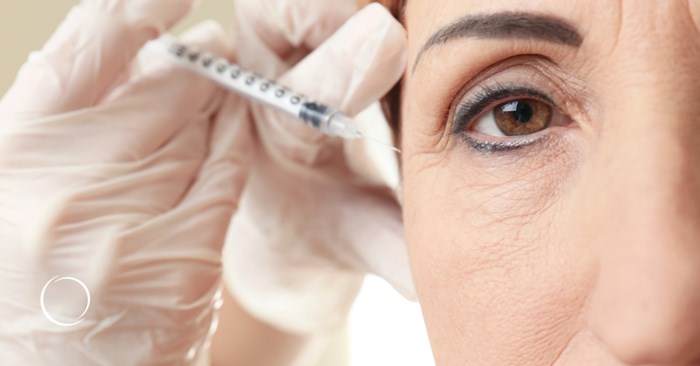
For many patients, injectables such as neuromodulators and dermal fillers are often their first step into aesthetic treatment. They offer subtle, low-commitment improvements with minimal downtime, making them an appealing option for maintaining a refreshed appearance over time. However, as the years go on, some patients notice a shift. Results that once felt seamless and effective may not last as long or deliver the same level of improvement.
This moment often leads to a common question: Do injectables "stop working," or is there something else at play? In reality, the answer is much more complex. Facial aging is a dynamic, multi-layered process that evolves over time, and treatment plans must evolve alongside it. Understanding when injectables remain effective, when their limitations become more apparent and when it may be time to consider alternative approaches is key to achieving natural, balanced results at every stage of life.
To explore this shift in greater detail, we reached out to ASPS Member Surgeons Omar Hussain, MD, and Karen Horton, MD, MSc, FACS, for their thoughts on how aging impacts injectable outcomes and how treatment stages adapt over time.
When patients say it's not working anymore
One of the most common concerns patients express is that their injectables no longer seem to deliver the same results that they once did. However, this perception is not always as straightforward as it sounds. There are many parts at play, including faster metabolism of injectables, increased antibody resistance and skin laxity.
"Some patients claim that they don't see the same results from injectables that they did previously," said Dr. Horton. "It is very rare that they actually 'stop working,' although some patients have a very fast metabolism and may metabolize the product faster than other patients."
However, metabolism isn't the only factor – where the product is placed also makes a noticeable difference.
"Where the product is injected also plays a role," said Dr. Horton. "For instance, filler injected in the lips doesn't last as long as filler injected deep on top of the cheekbones, as there is more blood flow to the lips and their constant movement can cause the filler to go away faster."
Alongside injection site considerations, treatment longevity and patient expectations are critical factors in overall outcomes.
"Patients who get injectables expect results to last – several months for filler, roughly three months for a neurotoxin," said Dr. Hussain. "When treatments start wearing off sooner than expected, patients notice and return ahead of schedule. For neurotoxins, shortened duration often points to immune recognition. The body has learned to identify and neutralize the protein, reducing its effect.
The bigger picture: How the face changes over time
Beyond how the body metabolizes injectables and facial fillers, the natural aging process itself plays a significant role in how results appear over time.
"Facial aging happens simultaneously at multiple levels, and over time those changes stack up in ways that volume alone can no longer mask," said Dr. Hussain. "The skin itself thins and loses elasticity. The bony scaffold underneath remodels. Soft tissue descent compounds these changes."
As these structural changes accumulate, maintaining consistent results becomes an ongoing challenge.
"Our face continues to age as we get injectable treatments, so there is some degree of a 'moving target,'" said Dr. Horton. "No matter how great an injector is at inserting product in your face, you will continue to age, and the effects will change with time."
The limits of injectables and the risks of overreliance
As facial aging progresses, relying solely on injectables can sometimes lead to diminishing returns or even unintended aesthetic outcomes.
"When filler is the only tool being employed, the tendency is to add more volume over time to keep pace with aging," said Dr. Hussain. "Without periodic reassessment, patients can drift into overfilled territory – an outcome that often looks less natural than the aging it was meant to address."
As volume continues to be added, experts caution that there are clear limits to what filler alone can achieve.
"The 'ceiling effect' for fillers, there is a limit to how much volume they can add effectively," said Dr. Horton. "Past a certain point, more filler does not provide a better result, but rather creates heavy, distorted or saggy skin."
When it's time to rethink the treatment plan
At a certain point, the conversation naturally shifts from adding volume with dermal fillers to addressing inherent structural changes associated with aging.
"Surgery becomes the appropriate choice when tissue has descended to the point that repositioning – not volumizing – is what's needed," noted Dr. Husain. "Injectables can slow the perception of aging, but they cannot reverse the underlying mechanical changes that accumulate over time."
As these structural changes progress, there comes a point where injectables can no longer keep pace.
"When aging surpasses what injectables can fix, they may seem ineffective," said Dr. Horton. "That's when surgery is most appropriate."
A combined approach: Injectables still have a role
Importantly, transitioning to surgical options does not mean that injectables no longer have a place in a treatment plan. Many surgeons recommend a combined approach that utilizes injectables such as Botox and facial fillers to complement surgical results.
"There is one hundred percent a role for injectables after plastic surgery, as they do very different things," said Dr. Horton. "Surgery repositions sagging soft tissue structures. Injectables can lessen active wrinkles and restore lost volume. Together, they can work in concert to help women and men age gracefully."
While injectables remain a powerful tool in aesthetic medicine, they are not designed to address every stage of the aging process. As facial structure changes over time, treatment plans must adapt to reflect those shifts. What begins as a maintenance strategy with neuromodulators like Botox and facial fillers may eventually evolve into a more comprehensive approach that includes surgical intervention and complementary treatments.
By understanding the natural progression of aging and by working closely with a qualified, board-certified plastic surgeon, patients can make informed decisions about when to continue with injectables, when to adjust their approach and when to explore additional options, such as surgery. Ultimately, the goal is not to rely on a single solution, but rather to create a thoughtful, personalized plan that supports natural, balanced results at every stage of life.
To find a qualified plastic surgeon for any cosmetic or reconstructive procedure, consult a member of the American Society of Plastic Surgeons. All ASPS members are board certified by the American Board of Plastic Surgery, have completed an accredited plastic surgery training program, practice in accredited facilities and follow strict standards of safety and ethics. Find an ASPS member in your area.