Groundbreaking face and whole eye transplant marks new era in reconstructive surgery
The world's first combined face and whole-eye transplant demonstrated that reconstructive surgery can restore far more than appearance after a severe injury, according to a new study in the August issue of Plastic and Reconstructive Surgery (PRS), which has been in publication for 80 years.
The study showed vision did not return with the eye transplant, but lead author Sachin Chinta, MD, of NYU Langone Health in New York, New York, said the procedure dramatically improved the patient's appearance and quality of life while advancing medicine.
"People with severe facial and eye injuries can feel not included in the comings and goings of regular society," said Dr. Chinta. "I think they can feel somewhat isolated. They oftentimes don't associate the injured version of themselves with them being who they truly are."
Life changed in an instant
The first face and whole eye transplant patient, Aaron James, 46, was an electrical lineman in Arkansas. He sustained severe burn injuries when he accidentally touched a live wire while working.
"The current was devastating," said Dr. Chinta. "It was thousands and thousands of volts. He ended up with extensive burn injuries to his face and upper body."
This included losing his left eye.
Why the eye matters
Whole eye transplants have been studied for decades. The study stated surgeons have been working for almost 50 years to make the procedure a reality. This case offered the chance to take the science from research to result. The procedure moved medicine one step closer to the long-term goal of restoring vision with an eye transplant.
"The problem of blindness and being able to restore a patient's vision across the world is a huge burden on the healthcare system," said Dr. Chinta.
He explained a living eye offers a more natural result than a prosthetic eye after a severe injury.
Years of planning and practice
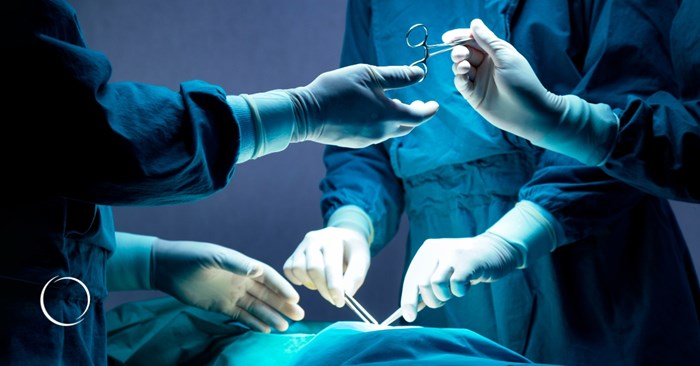
A team of doctors, including plastic surgeons, craniofacial surgeons, microsurgeons and a craniofacial orthodontist, along with hundreds of support staff, worked for two and a half years and performed 21 practice surgeries before the operation. The transplant took 21 hours total, the shortest transplantation done at NYU Langone Health.
The first of its type of transplant showed "hey, this procedure is possible and able to be done in a safe and effective way," said Dr. Chinta.
A visible sign of progress
The surgeons were able to match the transplant for James's skin tone, but not to his eye color. James now has one blue eye and a transplanted brown eye. James saw it as a visible sign of how far medicine has advanced.
"He looked at his eye for the first time, and he thought it was cool that he had a different colored eye," said Dr. Chinta. "He mentioned that this is the first time that he really felt like he was himself since before the injury. There are a million different things that you're trying to match for the donor. Eye color is very important, but I think actually being able to do the transplant with a safe and compatible donor was as important as well. So, if you ask Aaron now, he doesn't mind the color mismatch."
Quality of life improvements
The transplant also finally allowed James to eat his favorite food.
"The one thing he really wanted to do after the surgery was eat a burger," said Dr. Chinta. "He had undergone years of these procedures. He wasn't able to open his mouth. Following the transplantation and about a year of rehabilitation, Aaron was able to finally eat that burger that he so wanted. I know that was one of the biggest quality of life improvements for him."
James is showing off both his new face and eye by speaking to linemen organizations across the country.
"He preaches the importance of safety, perseverance and dedication to restoring your own confidence and also being able to push through challenging times that might happen in anyone's life," said Dr. Chinta.
Hope for future patients
Research continues into being able to bring back sight with a whole eye transplant.
"The ultimate goal, of course, is being able to do these transplantation procedures and offer that ability to restore vision for millions of patients around the world," said Dr. Chinta.
Dr. Chinta said he wants others who deal with severe facial and eye injuries to know plastic surgeons continue to be dedicated to finding novel solutions for them.
"While at times it feels hopeless, hopefully procedures like this provide them some level of hope and let them know that there are people out there that really care who are pushing for the science, so at some point there may be opportunities and options available to them for them to change their circumstance or situation."
To find a qualified plastic surgeon for any cosmetic or reconstructive procedure, consult a member of the American Society of Plastic Surgeons. All ASPS members are board certified by the American Board of Plastic Surgery, have completed an accredited plastic surgery training program, practice in accredited facilities and follow strict standards of safety and ethics. Find an ASPS member in your area.