More than a wrinkle reducer, botulinum toxin type A may also improve scars
Review finds improved scar appearance and patient satisfaction
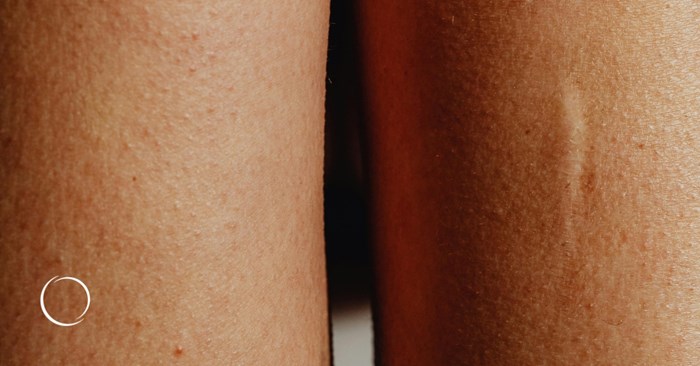
Most people know botulinum toxin type A, or Botox, as a common aesthetic treatment to reduce wrinkles. In fact, the 2024 ASPS Plastic Surgery Statistics Report reported that almost 10 million cosmetic botulinum toxin type A treatments were administered.
Yet, a new study in the July issue of Plastic and Reconstructive Surgery (PRS) suggested a new use for it.
"It appears to be a promising tool for scar prevention and scar quality improvement," said Carlos Zavaleta-Corvera, MD, MSc, MRes, of Universidad Científica del Sur in Lima, Peru, and the lead author of the PRS study.
Scars cause more than just cosmetic concerns
Scars are not just an aesthetic concern. They can also limit movement and affect quality of life depending on where they form and how they heal. Yet, the PRS study found botulinum toxin type A may help improve healing so new scars look and feel better.
The PRS study reviewed 19 other studies to see if botulinum toxin type A made a difference in abnormal scars. This included hypertrophic scars, which are thick and raised, and keloids, which are raised scars that heal beyond the edges of the original cut.
Around 11 million people develop these types of scars every year, according to the PRS study. Scarring from both surgical procedures and trauma can impact patients both physically and psychologically. Minimizing scarring can improve quality of life for many of them.
How it helps healing
Botulinum toxin type A may help scars heal in two ways. First, it relaxes nearby muscles, which reduces tension or pulling on the wound. Next, it may also reduce inflammation, helping scars heal more smoothly. Together, these effects may improve the appearance of scars.
"Its potential value is especially relevant to areas exposed to a lot of movement such as the face, neck, chest, abdomen or area surrounding the eyes," said Dr. Zavaleta-Corvera.
This treatment can be especially effective for highly visible areas of the body such as the face and neck.
Off-label use and safety
Botulinum toxin type A is not FDA-approved specifically for scar treatment, but the study showed side effects were minimal. They included pain during the injection, itching and headaches. However, botulinum toxin type A has been used off-label to treat other medical conditions, such as excessive underarm sweating and temporomandibular joint (TMJ) disorders, as well as chronic back and neck pain.
Patients should talk with their doctor about their medical history before trying this scar treatment. Those with neuromuscular conditions or swallowing or breathing problems may face complications.
Low-cost solution
Botulinum toxin type A may also be a more cost-effective treatment for new scars, especially for patients who are prone to abnormal scarring. It could serve as a first step toward improving their appearance.
"It could help create a better healing environment from the beginning," said Dr. Zavaleta-Corvera.
Other scar-reducing treatments can then be used, if necessary.
The cost of injections is often lower than that of other scar treatments, such as laser resurfacing. For example, the 2023 ASPS Plastic Surgery Statistics Report listed the average price for botulinum toxin type A injections at $435 while skin resurfacing treatments, which include lasers, were $1,829. The average botulinum toxin type A fee is about 24 percent of the average skin resurfacing fee, or roughly 75 percent lower. However, costs will vary depending on the amount used, the injection location and if repeat sessions are needed.
Patients pleased with results
Patients and doctors were both satisfied with the results after using botulinum toxin type A on scars. The treatment improved the appearance of scars for most patients, though not all patients experienced the same degree of improvement.
"Our findings suggest botulinum toxin type A might help improve scar quality, reduce scar width, prevent abnormal scarring and increase patient satisfaction without serious adverse effects," said Dr. Zavaleta-Corvera.
The study concluded that botulinum toxin type A appears to be a promising and safe option for scar treatment in the studies reviewed, but the lead author said additional research is needed. He hopes to conduct further studies to develop recommendations for this treatment.
To find a qualified plastic surgeon for any cosmetic or reconstructive procedure, consult a member of the American Society of Plastic Surgeons. All ASPS members are board certified by the American Board of Plastic Surgery, have completed an accredited plastic surgery training program, practice in accredited facilities and follow strict standards of safety and ethics. Find an ASPS member in your area.