Innovations in estrogen-based skincare
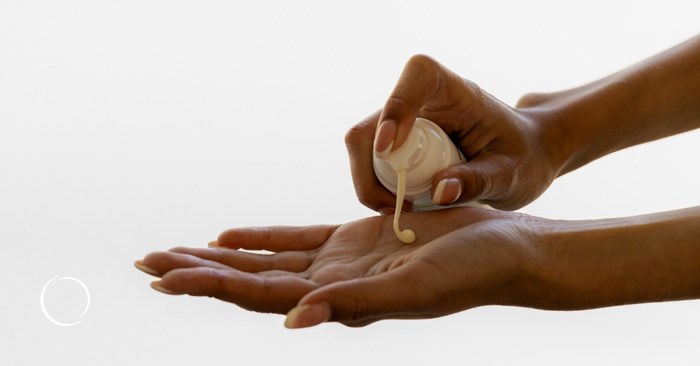
Interest in estrogen-based skincare continues to surge, and the science behind these products is advancing just as quickly. Today's medical-grade formulations are far more sophisticated than early hormone-infused creams, using targeted delivery systems and carefully calibrated concentrations to mimic the skin-supporting effects of estrogen. These innovations allow plastic surgeons, dermatologists and aesthetic specialists to offer patients topical options that address thinning skin, diminished firmness, dryness and dullness at their hormonal root, all while maintaining safety and precision.
There is now a growing variety of formulations available, from bioidentical estrogen creams to selective estrogen receptor modulators (SERMs) and estrogen-boosting peptides designed to trigger skin-rejuvenating pathways. Each works differently, giving patients and providers greater flexibility to tailor a regimen to each patient's individual needs. Combined with supportive treatments and other enhancements, estrogen-based skincare can deliver meaningful improvements in texture, hydration and radiance.
To learn more about the impact of estrogen-based skincare and the options available to women on the market, we reached out to ASPS Member Surgeons Suzanne Trott, MD, and Karen Horton, MD, MSc, FACS, as well as aesthetic nurse practitioner Agnes Wong, MSN, NP-BC.
Formulations available in estrogen-based skincare
While the term "estrogen-based skincare" may feel specific, the truth is that there are a few different formulations available that are designed to deliver estrogen using different methods.
"There are three formulations of estrogen-based products," said Dr. Trott. "Topical estriol is the most commonly used one in cosmetic, facial aging skincare. It is a very weak, gentle estrogen receptor activator. Phytoestrogens (plant-based mimics of estrogen) are weaker than estriol and have more subtle results. And peptides that mimic estrogen signaling. These are not hormones and have the weakest effects."
A wide range of estrogen-mimicking ingredients highlights how formulations can vary in strength. In clinical use, estriol in particular is often further customized for targeted skin benefits.
"When used in dermatology, topical estriol is often compounded into prescription-strength formulations," said Dr. Wong. "These can be customized with other active ingredients like vitamin C, peptides, hyaluronic acid or antioxidants to boost collagen, improve hydration and support skin barrier function."
In addition to specific formulations containing estrogen, other ingredients and combinations can further intensify the effects of these products.
"Certain ingredients can enhance the effects of estrogen-based skincare when used together," said Wong. "Hyaluronic acid helps boost hydration and plumpness, while peptides complement estrogen's role in stimulating collagen production. Antioxidants reduce oxidative damage and support collagen stability, providing added protection against environmental stressors. Retinoids (e.g., tretinoin), when tolerated, can also be incorporated, promoting cellular turnover and working in synergy with estrogen to strengthen the dermal structure."
These combinations may be effective for some, but it's important to keep the individual patient's needs in mind.
"Most estriol creams and serums are compounded with hyaluronic acid, and some are also compounded with vitamin C," said Dr. Trott. "However, vitamin C can be irritating for some patients, so in my personal cosmetic estrogen formulation, Dr. Trott's Girl Glow, I chose to leave the vitamin C out. This was actually suggested by one of my patients when we were testing samples."
Best practices for using estrogen-based skincare
Like any skincare product, it's important to incorporate estrogen-based skincare properly in the right step within your routine.
"I recommend using it in the morning and evening as the first layer of a skincare routine," said Dr. Trott. "It just makes sense to me that this is the product that is actually going to work on the skin, so you would want the skin to see it, not be barricaded by moisturizers. If a patient uses retinols at nighttime and they notice some irritation when using the estrogen-based product simultaneously, they should just use one or the other at the same time."
That advice dovetails with general skincare principles, which other experts echo when explaining how to fit these formulas into a daily routine.
"Patients looking to incorporate estrogen-based skincare into their routines should apply serums or creams after cleansing and before heavier moisturizers to ensure optimal absorption," said Wong. "Most formulations are used once or twice daily, depending on their potency and product instructions. These treatments can be combined with other supportive ingredients such as antioxidants and peptides, while retinoids are best applied at a different time of day – typically in the evening – to minimize irritation."
Yet, estrogen-based medical skincare may not be the right option for every patient.
"If you have a history of hormone-sensitive conditions, like estrogen-dominant polycystic ovarian syndrome (PCOS), hormone-sensitive hyperpigmentation (melasma), rosacea that gets worse at certain times of the month, hormonal acne or a history of breast cancer, speak with your doctor before using topical estrogen face cream," said Dr. Horton. "Women with a history of hypercoagulable (blood clotting) disorders or cardiovascular issues should contact their physician prior to starting estrogen-based skincare as well."
The future of estrogen-based skincare
As focus remains on women's wellness, there is no doubt that innovations and advancements will continue.
"The creation of synthetic estriol is the main advancement that has propelled forward the safety and effectiveness of estrogen-based skincare," said Dr. Trott. "While it helps with all of the above-described effects by binding to estrogen receptors in the skin, it does not meaningfully raise systemic levels of topical estrogen so that its use remains cosmetic."
Recent innovations have expanded the possibilities for safe, targeted estrogen-based skincare.
"One advancement is microencapsulation technology, which improves the stability of active ingredients, enhances penetration into the skin and reduces the risk of systemic absorption," said Wong. "Another area of progress is the use of phytoestrogens (plant-derived compounds that mimic estrogen's effects more gently). These are considered safer for long-term cosmetic use, particularly for individuals with hormone-sensitive conditions. Clinical studies now show that when used topically, estrogen can deliver measurable improvements in skin thickness, hydration and elasticity, all with minimal systemic risk."
With continued innovation in formulation and delivery, estrogen-based skincare is poised to become an essential component of personalized aging plans for women. These products can significantly improve skin quality and confidence during tricky hormonal transitions when used consistently and paired with complementary treatments. As science deepens and options grow, patients can look forward to increasingly effective, customizable and accessible solutions, making it easier than ever to support healthy, youthful skin from the inside out.
To find a qualified plastic surgeon for any cosmetic or reconstructive procedure, consult a member of the American Society of Plastic Surgeons. All ASPS members are board certified by the American Board of Plastic Surgery, have completed an accredited plastic surgery training program, practice in accredited facilities and follow strict standards of safety and ethics. Find an ASPS member in your area.