Best practices for maintaining the appearance of the undereye area
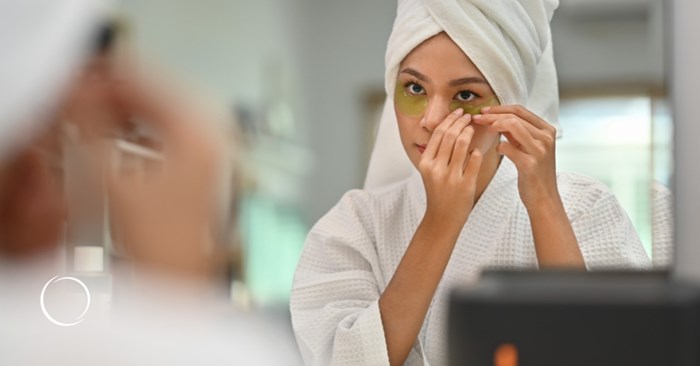
Once patients have explored their treatment options for undereye rejuvenation, the next step is to understand how to properly care for the delicate eye area to keep it looking its best. The skin under the eyes is thinner and more sensitive than the rest of the face, so small daily habits can make a big difference, whether someone is preparing for a nonsurgical treatment, recovering from one or simply trying to maintain a refreshed look year-round. From hydration and sleep routines to skincare and sun protection, consistent at-home care plays a major role in prolonging results.
To learn more about how patients can best maintain their undereye area or prolong the results of undereye rejuvenating treatments, we reached out to ASPS Member Surgeons John Burns, MD, and Karen Horton, MD, MSc, FACS, and aesthetic nurse practitioner Agnes Wong, MSN, NP-BC.
Taking the right approach to undereye rejuvenation
Maintaining a refreshed undereye appearance year-round starts with planning ahead and taking the right approach to rejuvenation.
"A comprehensive evaluation of the undereye anatomy, skin quality, degree of volume loss, pigmentation type and vascularity is essential to guide the approach," said Wong. "Factors such as the patient's age, skin tone, lifestyle, downtime tolerance and budget are also carefully considered."
With these anatomical and lifestyle considerations in mind, the conversation naturally shifts to how age and patient needs influence treatment choices.
"You really have to think about the patient and what they need," said Dr. Burn. "For younger patients and those in the 'early aging' category of 35 to 50 years old, certain treatments will perform better than those who may be more mature. At some point, gravitational changes in the eyelid will not be able to be countered with noninvasive treatments and will require surgery."
Another important factor for patients to consider is their lifestyle and how it may be affecting the appearance of their skin.
"I have found that the two biggest offenders in facial aging are smoking and sun exposure," said Dr. Burns. "Following this, you get into a lot of health considerations, such as diet, hydration, etc."
These lifestyle factors don't just accelerate aging – they also set the stage for many of the conditions patients notice most around the eyes.
"A perfect storm that can cause dark circles to look worse is being tired, burnt out or jet-lagged, dehydrated and not performing good self-care," said Dr. Horton. "That's often when patients make the initial call to see a board-certified plastic surgeon and their aesthetic nurse practitioner care team! I explain to patients that the dark circles they are seeing are actually their muscles underneath their skin – the orbicularis oculi muscles are circular muscles that surround the eye. Thinning skin, depleted dermis and dehydrated soft tissues allow the light to shine through this thin layer, showing the dark muscle underneath. It is a normal part of our anatomy – we just don't like to see it all the time!"
Patients can effectively set their undereye area up for success in maintaining its appearance by practicing healthy habits such as staying hydrated, getting enough sleep, wearing sunscreen and avoiding smoking.
It's also important to remember to take what we see on social media with a grain of salt. There are always treatments popping up that promise amazing results, but don't always deliver.
"There are always new machines and trends being advertised on social media," said Horton. "I stress 'buyer beware' – if it sounds too good to be true, it usually is. I keep my ear to the ground and stay up to date with the products and devices, but I never am the first one to spend several hundred thousand dollars on a device that is not FDA-approved or has not been tested in the market yet."
At-home skincare and the undereye appearance
Another consideration is how well patients care for this delicate area at home.
"Skincare is very important," said Dr. Burns. "Eyelids are not only subject to poor skin, but they also tend to have dark circles due to the thinness of the eyelids. Additionally, sluggish blood flow through the eyelid structure can cause darkening, making you look older. This is where skincare can really become a helpful thing."
Patients can take daily steps to maintain the appearance of their eyes.
"At-home maintenance can make a meaningful difference in prolonging and enhancing results," said Wong. "The least invasive options include concealer makeup and skincare with optical diffusers, which reflect light and temporarily camouflage dark circles. Look for ingredients such as mica, silica, titanium dioxide and zinc oxide."
Experts often use these same habits to care for their skin.
"My personal favorite that I wear is a mineral-containing foundation that can be applied lightly during the day on the entire face and neck or layered under the eye a little more thickly for more opaque and even coverage," said Dr. Horton. "This daily makeup routine helps me avoid sun damage year-round!"
It's important to practice the right habits to maintain the delicate skin of the undereye area. From practicing healthy habits such as good hydration and getting adequate sleep to avoiding habits that can age the skin, such as sun overexposure and smoking, patients can set themselves up for success in maintaining the appearance of the undereye for many years to come.
To find a qualified plastic surgeon for any cosmetic or reconstructive procedure, consult a member of the American Society of Plastic Surgeons. All ASPS members are board certified by the American Board of Plastic Surgery, have completed an accredited plastic surgery training program, practice in accredited facilities and follow strict standards of safety and ethics. Find an ASPS member in your area.