Skin treatments to combat winter dryness
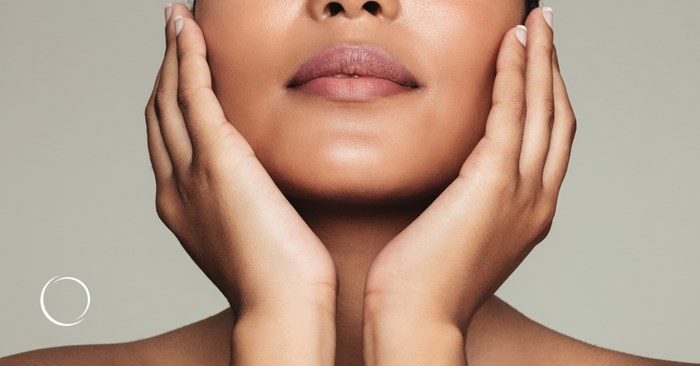
As temperatures drop and humidity plummets, many people will notice a sudden shift in the appearance and feel of their skin. Winter weather is notorious for stripping the skin of moisture, weakening the barrier and triggering annoying issues such as flaking, tightness, redness and dullness. Indoor heating, hot showers and cold winds can further disrupt the skin's natural balance, making even normally resilient skin feel dry and sensitive.
Fortunately, today's nonsurgical skin treatments offer powerful ways to replenish moisture, strengthen the skin barrier and support long-term health during the cold winter months. From hydrating facials and gentle chemical peels to injectable skin boosters and advanced laser treatments, board-certified plastic surgeons and aesthetic specialists can help their patients revive a tired complexion and protect it from ongoing seasonal stress. Paired with a thoughtful at-home care routine, patients can effectively maintain healthy, glowing skin all winter long.
To learn more about winter dryness and effective treatments to combat this yearly occurrence, we reached out to ASPS Member Surgeon Karen Horton, MD, MSc, FACS, and aesthetic nurse practitioner Agnes Wong, MSN, NP-BC.
The why behind winter dryness
Before jumping into treatments, it's important to first understand why winter dries out the skin.
"Cold air holds significantly less moisture than warm air, leading to increased transepidermal water loss," said Wong. "At the same time, indoor heating further dehydrates the skin by removing environmental humidity. Hot showers and baths, which are more common in winter, can also strip natural oils. This compounds the effect of water loss and a weaker skin barrier. With other environmental factors like wind and sudden temperature changes, such as moving from the cold outdoors into a heated room, can further compromise the barrier, resulting in drier, more irritated and sensitive skin."
Other factors can also come into play during the winter months.
"You sweat less during the winter, so there's less natural skin oil (sebum) production as well," said Dr. Horton.
Many patients see a few common issues arise when temperatures plummet. Wong advises, "In general, dry skin becomes significantly tighter and more irritated. Oily skin may experience surface dehydration, leading to paradoxical oiliness. Sensitive or rosacea-prone skin often reacts to cold weather and temperature fluctuations with increased redness or burning. Also, melanin-rich skin may experience more post-inflammatory hyperpigmentation when the barrier is compromised."
In addition to changes in skin texture and overall feel, there will be noticeable changes in appearance.
"As our summer tans – or spray tans – fade, skin pigmentation issues become more apparent, including telangiectasias (the appearance of small red or blue blood vessels), sun damage and other pigment irregularities," said Dr. Horton.
Noninvasive treatments to restore moisture and improve the skin barrier
There are numerous safe and effective noninvasive treatments available to help combat winter dryness.
"I always recommend medical-grade skincare packed with ingredients like ceramides, hyaluronic acid and peptides to repair your skin barrier during the colder months," said Wong.
Other options include injectables.
"In addition to topical skincare, I love biostimulatory treatments since they can improve long-term hydration and overall skin quality by boosting collagen production," said Wong. "I love Sculptra as an injectable collagen stimulator since it gradually boosts the body's natural collagen production over a series of treatments. By rebuilding the skin's internal structure, Sculptra strengthens the skin barrier, improves dermal thickness, enhances firmness and texture and contributes to long-lasting hydration support."
Then there are treatments such as facials, chemical peels and lasers.
"HydraFacials deeply cleanse, exfoliate and infuse hydrating serums, improving both skin radiance and moisture retention," said Wong. "They are particularly effective during winter when the skin barrier is compromised and dehydration is common. Patients with sensitive skin, however, may be prone to irritation from exfoliation, so it's important to discuss your skin type and concerns with your provider before treatment. Chemical peels, especially milder formulations, remove dry, dead skin cells and stimulate cellular turnover, helping products to absorb more effectively. Laser resurfacing treatments are also recommended in the winter due to reduced sun exposure. It stimulates collagen, improves texture and strengthens the skin barrier over time with repeated treatments."
Best practices for patients interested in treating dry winter skin
No matter how you treat your skin outside the home, it's important to have the right skincare routine at home.
"A strong – and doable – home routine is essential," said Dr. Horton. "We recommend a gentle, non-foaming cleanser, ceramide- or lipid-rich moisturizer, daily sunscreen of at least SPF 30, even in winter, humidifier use to add moisture back into indoor environments and consistent use of medical-grade skincare."
If you're just starting a skincare routine or are interested in achieving the most effective results for your unique needs, don't be afraid to reach out to your provider for assistance.
"To develop a treatment plan that is safe and effective for your unique skin type and concerns, it's important to consult with a board-certified plastic surgeon and their team of aesthetic experts," said Dr. Horton. "Personalized guidance ensures optimal results while minimizing potential risks."
It's important to set yourself up for success before you see your provider for a treatment.
"Avoid harsh exfoliants and active ingredients, such as retinoids, for several days, if recommended by your provider," said Wong. "Keep your skin well-hydrated to ensure it is in the best possible condition for treatment."
It's crucial to follow your surgeon's instructions to achieve the best results following your treatment.
"Follow all post-care instructions carefully," said Wong. "Avoid excessive heat exposure or strenuous activity if your skin is sensitive or recovering. Continue moisturizing diligently to support the skin barrier and healing process."
Winter can be harsh on the skin, but a combination of targeted professional treatments and smart at-home habits can make a remarkable difference in hydration, comfort and overall skin quality. Patients can enjoy healthier, more radiant skin throughout the colder months by understanding the seasonal factors that contribute to dryness and choosing treatments that replenish moisture and strengthen the skin barrier.
To find a qualified plastic surgeon for any cosmetic or reconstructive procedure, consult a member of the American Society of Plastic Surgeons. All ASPS members are board certified by the American Board of Plastic Surgery, have completed an accredited plastic surgery training program, practice in accredited facilities and follow strict standards of safety and ethics. Find an ASPS member in your area.