New year, new devices: Cutting-edge technology in plastic surgery
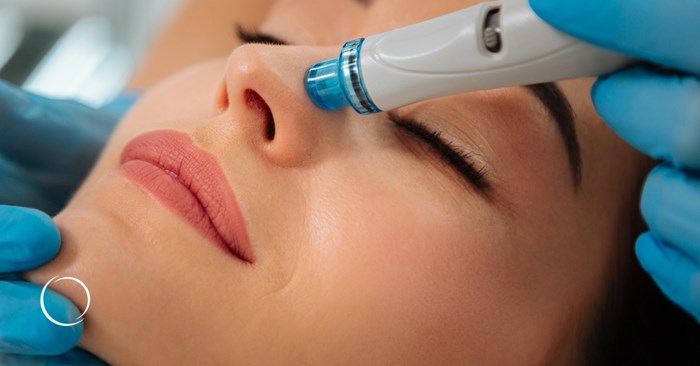
As we move forward into the new year, it's essential to take a moment to appreciate the progress we've made with noninvasive procedures over the last 12 months. We've seen many exciting developments emerge, offering new treatment options for patients seeking to achieve their aesthetic goals without surgery.
This increased focus on the world of nonsurgical treatments has led to a surge in innovations over the past few years, and there is no doubt that this trend will continue into the current year and beyond. To learn more about the exciting noninvasive treatments currently available and emerging innovations on the horizon, we reached out to ASPS Member Surgeons Kristy Hamilton, MD, and Jason Pozner, MD.
Current market for noninvasive devices
Several notable innovations in nonsurgical aesthetic treatments have emerged over the past year.
"The one that has become more prominently discussed is Sofwave, which uses ultrasound technology to tighten the skin and improve collagen," said Dr. Hamilton. "You see that a lot on social media. I don't have that particular device myself, but that one is completely noninvasive."
Many other new aesthetic lasers for skincare treatments have also entered the market.
"The most notable noninvasive aesthetic device is the Sciton HALO TRIBRID," said Dr. Pozner. "It is an upgrade to Sciton HALO ANS, combining two of their technologies in one handpiece. Another is the Artemis T-Shape 2, which is basically a new version of VelaShape III."
Another focus of noninvasive technology has been on combining multiple modalities into one device.
"With Morpheus8, you're combining radiofrequency and microneedling in one," said Dr. Hamilton. "Basically, with each pass of the needle, you're getting three different layers of the skin at once: the needles enter, retract back and deliver energy at three different levels. This is great for patients, because they only need to get priced a third of the time to get the same level of treatment with a different device."
GLP-1s are impacting nonsurgical treatments
Another area of focus in noninvasive technology has emerged with the increasing popularity and accessibility of GLP-1 weight loss medications.
"We are seeing a lot more body contouring and more interest in skin tightening, likely due to increased demand and use of GLP-1 medications," said Dr. Pozner.
GLP-1s are beneficial for patients who need and want to lose weight for their health, but if significant weight is lost, you can be left with sagging skin.
"Overall, we're still seeing the trend of sustained weight loss," said Dr. Hamilton. "We're seeing a lot more sagging, and it will be interesting to see if GLP-1s contribute to skin laxity in any other way. But for that reason, we're seeing a lot more interest in skin tightening. Obviously, surgery is going to have a bigger role for more significant cases, but we're seeing patients coming in who aren't quite ready for this step."
In the field of skin tightening, numerous new devices have recently hit the market, promising amazing results, but only a few actually deliver. One field of focus is internal tightening rather than actual skin tightening.
"The most exciting technology that I've been using has been Quantum," said Dr. Hamilton. "That has really been game-changing. I'm seeing 30 to 40 percent soft tissue retraction by using radiofrequency energy delivered underneath the skin with a probe, sort of like liposuction, but you're delivering energy rather than removing fat. This energy shrinks the supportive network, tightening the skin exponentially with immediate results. You can use this as a standalone technique, but you can also use it alongside surgery such as liposuction or a tummy tuck for amazing results."
New innovations on the horizon
There is no doubt that innovations in noninvasive technology will continue, with an increased focus on skincare and skin tightening.
"Looking forward, I think the interest this year will be off of the face and more on the body," said Dr. Pozner. "You are going to see a lot of interest in body tightening and body skin rejuvenation."
Another exciting area of innovation is the field of laser coring.
"One upcoming technology is going to be a game-changer – laser coring, or microexcision," said Dr. Pozner. "This is a laser version of Ellacor. This treatment offers boosts in collagen production and skin tightening alongside improving skin texture."
As more patients turn to noninvasive procedures to maintain surgical results and achieve nonsurgical goals, it is clear that technology will continue to evolve and expand in this field. With amazing innovations currently available in the market and more on the horizon, it's exciting to consider where we'll be in the world of noninvasive treatments even a year from now.
To find a qualified plastic surgeon for any cosmetic or reconstructive procedure, consult a member of the American Society of Plastic Surgeons. All ASPS members are board certified by the American Board of Plastic Surgery, have completed an accredited plastic surgery training program, practice in accredited facilities and follow strict standards of safety and ethics. Find an ASPS member in your area.