The innovation of estrogen-based medical skincare
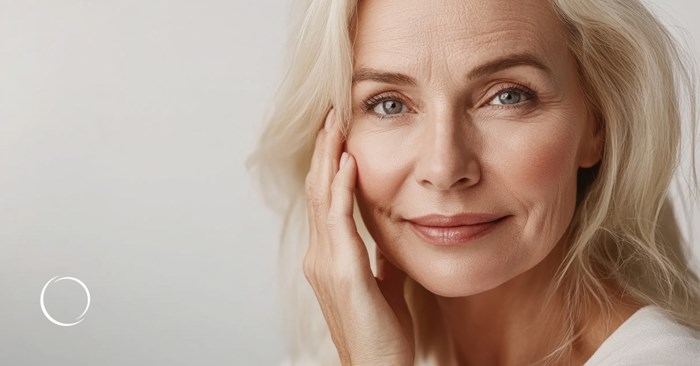
In recent years, we've seen a new category of skincare emerge that has enraptured plastic surgeons, dermatologists, beauty editors, and everyday women seeking solutions to age-related skin changes – estrogen-based skincare. As conversations about perimenopause, menopause and hormonal wellness become more open and normalized, many women are discovering that declining estrogen isn't just a hormonal shift, but rather it's a major factor behind thinning skin, increased dryness, reduced elasticity and the loss of that once-radiant glow. More women are seeking ways to support their skin through these transitions, and estrogen-infused topical products are rapidly emerging as a promising option.
What really sets this trend apart is the focus on restoring what the skin naturally loses over time, rather than just masking symptoms. These products are designed to complement, not replace, traditional anti-aging approaches by targeting underlying hormonal changes. As research expands and formulations become more sophisticated, the beauty and medical skincare communities are increasingly embracing this category as an exciting potential next chapter in skin health innovation.
So, what exactly is estrogen-based medical skincare, and how does it work? When should women start using this type of product? Are there any risks or downsides to using estrogen-based skincare? To answer these popular questions and more, we reached out to ASPS Member Surgeons Suzanne Trott, MD, and Karen Horton, MD, MSc, FACS, as well as aesthetic nurse practitioner Agnes Wong, MSN, NP-BC.
The importance of estrogen in maintaining skin health and appearance
It's important to start by understanding that estrogen plays a key role in maintaining skin health and appearance.
"At a cellular and physiologic level, estrogen stimulates collagen production, prevents the dermal layer from thinning, improves elasticity and stimulates hyaluronic acid production in the dermis, which helps skin keep a young, 'dewy' appearance of youth," said Dr. Trott. "It also improves the barrier function of the skin by improving the ceramide and lipid layers to keep the skin hydrated."
Estrogen levels decline naturally with age, and coinciding changes begin to occur in the skin.
"When estrogen levels decline, the skin becomes more prone to dryness, reduced firmness and accelerated breakdown of elastin," said Wong. "Research shows that women can lose up to 30 percent of their dermal collagen within the first five years after menopause, followed by an additional 2 percent decline each year. This rapid decrease underscores why hormone-focused skincare can be especially valuable during this stage of life."
Targeted benefits of estrogen-based skincare
This innovative medical skincare not only replaces missing estrogen, but also helps counterbalance several key effects of aging that can occur specifically during menopause, including dryness, fine lines or wrinkles and reduced collagen production.
"Menopause is characterized by declining function of the ovaries and consequently decreased estrogen levels in the bloodstream," said Dr. Horton. "The result of lower estrogen affects nearly every body tissue, including the skin. With loss of structural architecture, increased propensity to damage and acceleration of other age-related skin changes such as dryness, atrophy, fine wrinkling and poor wound healing. Skin concerns, including dryness, thinning, loss of elasticity, more wrinkles, loss of skin tone, all of which can happen with less estrogen production in perimenopause and menopause, are purported to improve with the addition of exogenous estrogen products in skincare products."
Building on the understanding of how declining estrogen levels impact skin health, experts have explored the benefits of integrating estrogen-based treatments into skincare routines.
"Estrogen-based skincare offers targeted benefits for many of the skin changes that accompany aging and hormonal decline," said Wong. "One of its key effects is enhancing hydration through the stimulation of hyaluronic acid, which helps the skin maintain plumpness and moisture balance. It also plays a critical role in collagen production, helping restore dermal thickness, which is commonly lost during menopause or with advancing age. This increase in collagen not only reinforces the skin's structure but also softens the appearance of wrinkles and fine lines. By preserving the integrity of elastin fibers, estrogen supports greater firmness and elasticity, reducing sagging over time."
Estrogen-based medical skincare vs traditional skincare
These products balance out the loss of estrogen that naturally occurs as women age and enter menopause or perimenopause.
"Estrogen-based skincare is skincare that consists of topical products that include bio-identical estrogens or estrogen-mimicking compounds, like estriol, that bind to estrogen receptors in the skin to address the collagen and hydration decline that happens when estrogen levels fall in peri and post menopause," said Dr. Trott.
It's essential to consider the different types of estrogen used in skincare and their respective impacts. The choice of estrogen type influences the potential for side effects, underscoring the need to tailor treatments to individual skin sensitivities and hormonal responses.
"Estrogen-based skincare contains either estradiol, a specific type of estrogen (the female sex hormone) which is strongest and most effective, or estriol, a weaker form of estrogen which can be recommended for patients who are sensitive to its effects," said Dr. Horton. "Possible side effects of stronger estrogen include skin irritation, hormonal acne, unwanted hair growth or hyperpigmentation, due to estrogen's effect on melanocytes, the cells that produce melanin, our skin pigment."
While estrogen-based skincare may resemble traditional anti-aging products, there are key differences.
"It is different from traditional skincare anti-aging products, which usually treat the symptoms, not their cause," said Dr. Trott. "For instance, fancy expensive moisturizers and even hyaluronic acid only work from the surface of your skin – they can't actually get inside. Estrogen addresses the root cause of the dryness. Retinoids 'injure' the skin to stimulate collagen production, while estriol stimulates collagen production directly. Vitamin C works by stimulating collagen through its antioxidant effects, but estrogen products restore the hormonal signaling that originally maintained collagen. Bleaching agents like hydroquinone are designed to target melasma and age spots, but are not always effective. Estrogen products help balance the hormones that cause the discoloration."
Ideal candidates for estrogen-based medical skincare
Estrogen-based products, like many targeted medical skincare options, are best suited for certain patients.
"The ideal candidates for estrogen-based skincare are women in perimenopause and post-menopause noticing the above changes in their skin, usually not before the age of 40," said Dr. Trott. "However, surgically induced menopause that occurs with hysterectomy/oophorectomies and women on aromatase inhibitors after breast cancer surgery are also candidates, as long as the oncologist approves."
Considering these specific candidate groups, it becomes clear that estrogen-based skincare is most beneficial for women experiencing hormonally driven skin changes.
"Ideal candidates for estrogen-based skin care are genetically female women who are experiencing hormone-related skin changes such as skin thinning, increased dryness and loss of elasticity," said Dr. Horton. "These include postmenopausal women (more than one year after their last menstrual period), perimenopausal women with gradually decreasing estrogen levels (can last for seven to 10 years) and women seeking improved skin hydration and elasticity and more resilient skin."
As estrogen-based skincare continues to gain momentum, it offers women a more personalized and biologically attuned approach to aging gracefully. Whether used to complement existing routines or to address specific hormonal skin changes, these products represent a meaningful step forward in women's wellness.
To find a qualified plastic surgeon for any cosmetic or reconstructive procedure, consult a member of the American Society of Plastic Surgeons. All ASPS members are board certified by the American Board of Plastic Surgery, have completed an accredited plastic surgery training program, practice in accredited facilities and follow strict standards of safety and ethics. Find an ASPS member in your area.