Why eyelid surgery is having a moment: Inside the 2025 surge
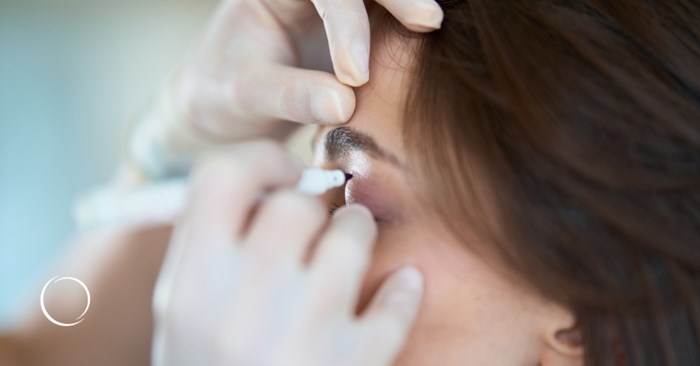
The eyes are among the first features people notice and have long been a focal point of facial rejuvenation. So, should we be surprised that demand for eyelid surgery surged in 2025?
Medically known as blepharoplasty, the procedure addresses concerns such as excess upper eyelid skin, puffiness beneath the eyes and undereye bags that can make someone look tired. The appeal of this surgery is straightforward. Eyelids can be an important starting point for patients seeking a refreshed appearance without a dramatic change to their overall look.
The 2025 ASPS Plastic Surgery Statistics Report indicated that 118,978 patients underwent blepharoplasty in 2025, up from 100,185 in 2024. That is a whopping 19 percent increase, making eyelid surgery a notable trend, not only for its significant growth, but also for ranking among the top five plastic surgery procedures, while other top procedures held roughly flat.
What's behind the increase, and why is eyelid surgery having a moment? ASPS Member Surgeons Sara Dickie, MD and Anureet Bajaj, MD, help break down what may be driving interest and what patients should understand before considering treatment.
The appeal of looking rested, not different
If the eyes are the window to the soul, no one wants that window to look tired and drab. For many patients, eyelid surgery offers a refreshed, rejuvenated look without sacrificing their natural facial identity. In other words, you look like a more well-rested version of your best self.
"The eyes can really affect how we look," said Dr. Bajaj. "When our eyes are puffy, or we have excess skin, we can look tired. I think that in today's world, people want to look their best, not tired."
Blepharoplasties are a targeted option for patients who want to refresh their aesthetic and address sagging, eye bags and signs of aging while still feeling like they "look like themselves."
"Take a look at any before and after of a 'wow' facelift," said Dr. Dickie. "Block out the eyes in the front profile. The difference isn't as impressive as it is, is it? Because the eyes bridge the middle and upper face. That is where we look when we talk to people. Eye bags, festoons, hooded eyes and droopy brows are incredibly aging. Rejuvenate these, and everything else falls away."
Why more patients are turning to eyelid surgery
Several factors may be driving patients to blepharoplasty: renewed awareness of the eye area, thanks to video calls and social media, and the comparatively short recovery period. Another reason the surgery could be gaining popularity across a widening age range of patients may also be economic.
"Eyelid surgery, or blepharoplasty, has always been a highly requested surgery for plastic surgeons," said Dr. Dickie. "One reason is that it is commonly done under local anesthesia as an outpatient or in an office-based setting. Downtime is relatively short compared to many other surgeries, and the results are often quite dramatic. Patients appear more youthful, awake and energized, with aesthetic improvement. The surgery really provides a big bang for its buck."
What has long made blepharoplasty popular among patients of all ages is now attracting younger individuals who want meaningful results from a relatively straightforward procedure.
"We are talking more about simpler options that work well for younger individuals, such as doing an upper blepharoplasty under local anesthesia," said Dr. Bajaj. "It is under local anesthesia and downtime can be minimal, but the results can be dramatic. That's a lot of bang for your buck."
In an economic environment where everything feels expensive, patients may seek procedures that deliver the most dramatic yet balanced results without incurring the costs of more intensive surgeries.
On the flip side, patients who want to invest a little more in their aesthetic also choose eyelid surgery because it's a fantastic "add-on" to other rejuvenation procedures.
"We are also seeing a huge rise in social media regarding face procedures and facelifts, and eyelid surgery is often done in combination with other facial surgeries," said Dr. Dickie. "It is a great add-on procedure because the periocular area really sets the foundation of facial aging. A facelift without blepharoplasty often appears underdone. So, with a rise in aesthetic awareness and 'holistic' approaches, we not only see standalone blepharoplasty increasing, but it is also being done with facelifts, brow lifts, neck liposuction, etc. It's a great combo or add-on procedure."
Eyelid surgery is accessible to a wide spectrum of patients, from price-conscious patients to those who may want to add it to a more dramatic aesthetic regimen. Combine that with other factors like social media and video calls highlighting the eye area, the ability to do the procedure under local anesthetic and the relatively short recovery period, and you have the perfect environment for an eyelid surgery surge.
Understanding what blepharoplasty actually addresses
Eyelid surgery can help "wake up" the eyes, but how? First, it helps to understand that blepharoplasty is an umbrella term that encompasses several surgical procedures. Patients can opt for an upper blepharoplasty, a lower blepharoplasty or both, depending on the aesthetic results they want to achieve.
"The most common is the upper blepharoplasty, which addresses the excess skin of the upper eyelid," said Dr. Bajaj.
While removing excess skin is the primary goal, upper blepharoplasty can also address other concerns affecting the appearance of the eyes.
"This is the removal of skin on the upper lid that is loose or folding," said Dr. Dickie. "With upper blepharoplasty, eyelid fat can be removed or repositioned to improve the contour of the upper lid. Through the eyelid incision, surgeons can perform a browpexy (brow lift) to help subtly elevate or support the lateral eyebrow. Ptosis repair is often done with upper blepharoplasty to address how open the eye is. This elevates the upper lid margin where it rests along the iris, so you see more of the colored part of the patient's eye. It helps people appear more awake and brightens the eyes."
On the other hand, a lower blepharoplasty focuses on undereye bags or sagging.
"Lower eyelid blepharoplasty can be performed either through the inner surface of the eyelid, called a conjunctival approach," said Dr. Dickie. "This is done to remove the fat of the lower lid that appears as an eyelid bag. The fat can also be repositioned through this approach to fill the tear trough for patients who have tear trough hollowing. From an anterior approach to the lower lid, the lower lid skin can be tightened if people have loose lower eyelid skin or wrinkles. Though oftentimes laser resurfacing is best for lower lids with lots of wrinkles and thin skin."
For patients looking to address excess skin, hooded eyes and undereye puffiness, surgeons can perform upper and lower eyelid surgery at the same time.
Another reason blepharoplasty may be a popular option for patients is that the surgery is both cosmetic and functional. In addition to improving the appearance of the eyes, eyelid surgery can remove excess upper eyelid skin that can obstruct a patient's vision and affect quality of life.
The appeal of the blepharoplasty recovery timeline
As with any surgical procedure, the recovery timetable depends on the type of surgery, the patient's health and other factors, such as strictly adhering to the surgeon's postoperative orders.
"The recovery process truly depends on the surgery," said Dr. Bajaj. "An upper blepharoplasty can have minimal downtime, but a lower blepharoplasty is far more complex with a longer recovery. There are also a variety of techniques that are incorporated for a lower blepharoplasty, so the recovery can also vary based on the technique."
Regardless of the technique, patients should expect some temporary side effects as the eyelids heal.
"Almost always, patients experience bruising," said Dr. Dickie. "It is commonly just limited to the eyelid area, but it can be more severe and go into the cheeks. Patients may also experience dryness of the eyes. Often, due to swelling, the tearing system doesn't work perfectly in the first few days or weeks, so they may use eye drops to help with that."
Thankfully, she also said that, for most patients, blepharoplasty is not considered painful to recover from.
"Severe pain is a sign that there is a problem," said Dr. Dickie. "Soreness and mild pressure are common. Patients typically use cold compresses on the eyes to help with swelling and discomfort in the first two to three days after surgery. Sutures are in for approximately a week. Some surgeons use dissolving sutures, and some use ones that need to be removed. There is no difference in outcome; it is the surgeon's preference and experience."
An additional factor that helps drive the popularity of eyelid surgery is that patients may be ready to get back to their normal routine, whether that be work, school or daily life, in a relatively short timeframe.
"Makeup can be worn after one to two weeks," said Dr. Dickie. "Ask the doctor about contact lenses. Strenuous exercise is usually held off for three to four weeks, but lighter activities are able to be started quite soon after surgery."
A wider age range of patients
The 2025 ASPS Plastic Surgery Statistics Report also highlights another interesting trend in eyelid surgery: its broad appeal across a wide age range. From patients in their 20s to their 70s and everyone in between, blepharoplasty saw meaningful gains across several age groups.
"Eyelid surgery helps issues that occur in all age groups," said Dr. Dickie. "Even 20-year-olds with lower eyelids benefit from lower blepharoplasty. We are also seeing a huge trend in social media influencers who share their surgery stories, so patients are seeing recovery in real time, and I think for blepharoplasty, this makes it much more approachable."
Although eyelid surgery can benefit patients across different age groups, the reasons for seeking treatment often vary with age.
"Older patients may have more functional concerns; the excess skin of the upper eyelids and the droopy brow may affect their vision," said Dr. Bajaj. "Younger individuals don't want to appear tired; they want to appear refreshed. One thing that I hear from my patients is that it is harder to apply their eye makeup due to the excess skin."
The functional impact of eyelid surgery also helps extend the age range of patients interested in the procedure.
"Upper lids may have drooping called ptosis, which can be congenital or from trauma or aging," said Dr. Dickie. "Ptosis repair is often done with upper blepharoplasty to elevate the upper eyelid margin to open up the eye and show more of the iris. Upper lids show aging much earlier than other parts of the body as well, and folks as young as 30 seek the removal of excess skin folds in the upper lids."
Overall, the growing popularity of eyelid surgery reflects increasing interest in subtle, targeted facial rejuvenation among patients at every stage of life.
To find a qualified plastic surgeon for any cosmetic or reconstructive procedure, consult a member of the American Society of Plastic Surgeons. All ASPS members are board certified by the American Board of Plastic Surgery, have completed an accredited plastic surgery training program, practice in accredited facilities and follow strict standards of safety and ethics. Find an ASPS member in your area.