Before & AfterPhotos
 View Photo Gallery
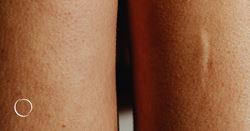
A new study in the July issue of Plastic and Reconstructive Surgery (PRS) suggested that botulinum toxin type A may improve scars.

There are a few glow-up options that require minimal downtime and can help you achieve a sun-kissed glow before you hit the beach, museum, concert or wherever your travels may take you.
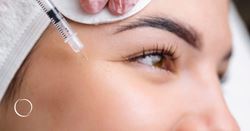
Is starting Botox in your 20s or 30s a proactive strategy for maintaining smooth, youthful skin, or is it an unnecessary step driven by social media trends?
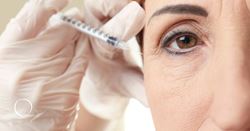
For many patients, injectables such as neuromodulators and dermal fillers are often their first step into aesthetic treatment. However, as the years go on, some patients notice a shift. Results that once felt seamless and effective may not last as long or deliver the same level of improvement.
Most people are familiar with the effects of injectables on faces, like smoothing wrinkles and plumping lips, but did you know injectables have ventured below the belt, offering aesthetic and functional benefits when applied to male and female genitalia?
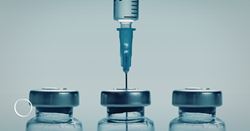
Long-term complications stemming from unknown substances such as hardware store silicone, black market knockoffs or watered-down Botox are becoming an increasingly common problem for patients and the plastic surgeons who treat them.

Sometimes, the holidays are the only time of year people see friends and relatives, and they want to look their best. If you want to shine brighter than the tinsel and star that adorn your tree, the time to start planning your noninvasive glow-up is right now.
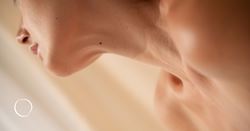
Let's talk turkey. No, not the one you are preparing to put on your Thanksgiving table. Let's talk about "turkey neck." That loose, sagging skin around the neck that resembles one of the most identifiable parts of a turkey.
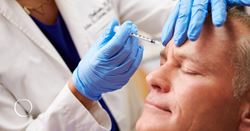
There have always been men who have placed unique value on self-care and maintaining a clean, sophisticated or suave appearance. Whether due to availability, social media reducing the sting of surgery stigma or a sense of increased competition during tough economic times, more men are looking to plastic surgeons for that self-care.
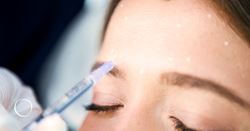
Do years of consistent filler and neuromodulator use preclude or limit future procedures? If you invest in specific minimally invasive procedures today, are you risking your safety and results tomorrow if you want something more invasive?
Imagine instantly melting fine lines and wrinkles, rather than waiting days for your Botox to take effect. A new neuromodulator injectable called TrenibotE (trenibotulinumtoxinE) made waves by promising a fresher face in less time.

Mesobotox is a minimally invasive treatment for improving skin texture and combating "large pores." But what are "large pores," and can neuromodulator injections achieve "filter-like" results?
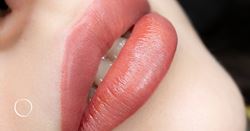
At one time, social media platforms were flipping out over filler and how it could create the perfect pout. However, other products and techniques can help add volume and make lips look fuller and oh-so-kissable. The lip flip uses everyone's favorite wrinkle reducer, Botox, to help enhance the appearance and shape of the lips, giving patients luscious lips.
So, do you need a brow lift or Botox? Maybe even both? It depends on the issues you want to improve.

Is "skincare" turning into code for cosmetic procedures? When does skincare, the practice of regularly using products to maintain and improve the appearance of the skin, turn into cosmetic procedures like neuromodulators and fillers? When do minimally invasive procedures like neuromodulators and fillers turn into cosmetic surgery?

By now, we all know that Botox helps improve the look of fine lines and wrinkles, and filler can plump our pout and restore volume to the face. What's left to talk about? As it turns out, plenty!

What are the most popular plastic surgery procedures leading to the holiday party season? Board-certified plastic surgeons have the 411.
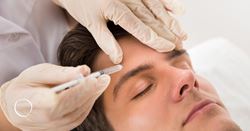
Today, a new neuromodulator is in town, and it is looking to dethrone the king. How does the newest injectable for lines and wrinkles – Daxxify® – compare to the competition?

With time constraints and price being significant factors for busy individuals wanting to look their best and shave a few years off their appearance, med spas have become increasingly affordable and popular. Med spa is a general term for a facility specializing in aesthetic, nonsurgical treatments.
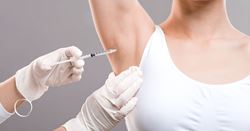
If you have tried every deodorant, antiperspirant and natural sweat remedy on the market, it may be time for a new approach. It may be time for Botox. Yes, that Botox! Move over wrinkles, Botox is here to help you beat summer sweat.

Board-certified plastic surgeons have plenty of tools to help revitalize your face and help wipe away the appearance of time. Injectables are one of the most potent nonsurgical tools that can help rewind the clock and give you a more youthful and radiant appearance.

As you enjoy your well-deserved golden years, you may find yourself contemplating the fine lines, wrinkles and other signs of aging that you see when you look in the mirror. Maybe the reflection looking back at you doesn't match your vibrant mental picture of yourself.

For so many of us, we're reaching the age where we are starting to wonder the best way to age gracefully. Whether it's noticing a new fine line forming on your forehead or seeing that your skin isn't quite as vibrant as before, these subtle changes can play into your self-confidence and leave you unsatisfied with your appearance.

In recent years, the popularity of cosmetic injectable treatments among men has been on the rise. More than ever before, men are turning to procedures like Botox and dermal fillers to achieve a more youthful and refreshed appearance.

With summer and wedding season almost here, you might be starting to think about how your body will look as you shed your winter layers. Even if your diet and exercise were on point during the winter months, you might still want to enlist the help of a plastic surgeon to fine-tune your physique in time for the warmer months.

In the world of plastic surgery, TikTok is bringing to light trends new and old and is helping to shape the conversation by providing influencers, patients and physicians alike the opportunity to discuss popular aesthetic procedures.

Visible changes in the neck area tend to appear rather abruptly. One day, everything is fine, your jawline is taut and defined, and the next, something just looks... off.

While the pandemic was a rough time for many, it certainly didn't negatively impact the popularity of cosmetic procedures and surgeons are anticipating patient requests will shift slightly as they start to set their eyes on a summer vacation or a beach weekend.

If you've ever stayed up until the early hours of the morning – be it drinking with friends at your favorite bar or finishing up a presentation for work the next day – you're likely familiar with the unwelcome sight of bags under your eyes.

Historically, the holiday season – Halloween through mid-January – has been the busiest time of year for plastic surgeons, and this year is no different.