Before & AfterPhotos
 View Photo Gallery
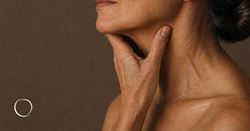
Some parts of our bodies just seem to show their age sooner. A few you can cover, and others, like the neck, you can't, at least not completely. Turtlenecks and scarves never reach high enough to disguise the subtle and sometimes not-so-subtle sag.

There are several options for breast reconstruction, and of course there's the option to have no reconstruction at all. Advances in surgical technique have made it possible to preserve more sensation in the breast, and to deliver more natural-looking results with less pain for patients.

One complication of significant, rapid weight loss is excess, bothersome loose skin. Weight comes off quickly, but in many cases the skin doesn't bounce back the same way, leaving patients with loose, sagging skin or uncomfortable volume loss in certain areas of the body.

Social media platforms and even traditionally trusted websites are being flooded with AI-enhanced and altered images, leaving patients to question whether what they see is a real result or a highly stylized, overinterpreted version of a surgical transformation.

Vulnerability, stress and anxiety are common emotions that patients experience when they know that a surgical procedure is going to require anesthesia, especially because there is a lot of confusion and misinformation about anesthesia and the role it plays during surgery.

Emotional wellness can significantly impact the speed and quality of physical healing, especially after a traumatic injury or surgery. It's a fact that rarely gets discussed in the broader discussion about what to expect during recovery and the healing period after plastic surgery.

Today, more patients are putting a few extra steps between expressing interest and fully committing. Instead of deciding after just one appointment, patients may meet with two or three surgeons, spend months researching their options and/or return for a second conversation before feeling ready to move forward.
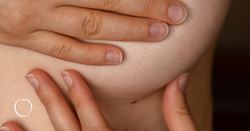
Dutch plastic surgeons are further developing a new option for breast reconstruction after mastectomy using only a patient's own fat to rebuild the breast. The technique, known as autologous fat transfer, may be suitable for patients who don't want implants or are not good candidates for flap reconstruction.

Plastic surgeons often see interest in aesthetic procedures increase during the cooler months, making fall a popular time to begin the breast augmentation consultation process.

The breasts contain a substantial amount of fatty tissue, so significant weight loss can reduce breast volume while leaving behind a skin envelope that doesn't necessarily shrink at the same rate.